How to Read Dostoevsky in Russian
A Turkish speaker's guide to reading Dostoevsky in the original: which book to start with, what makes him hard, and how to keep going.
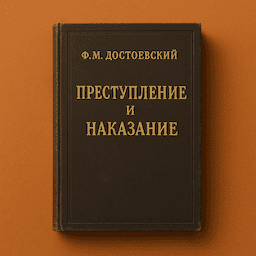
Start with White Nights, keep a translation beside the text, and don't try to understand every word. That's the short version. Reading Dostoevsky in Russian is a big goal, but it doesn't need perfect Russian. It needs a good first book and a lot of patience.
FluenTech exists partly because of this goal. Its founder, a native Turkish speaker, wanted to read the classics in Russian, and Duolingo never went past beginner level. So the founder built the app that was missing, and today reads Dostoevsky without outside help and understands most of it. Most of it, not all of it, and that's fine.
Which book to start with
1. White Nights. It's short, it's a love story, and it's told in the first person by a lonely dreamer. You can read the whole book free on our site, in Russian with a translation under every line.
Была чудная ночь, такая ночь, которая разве только и может быть тогда, когда мы молоды, любезный читатель.
It was a wonderful night, a night that could only happen when we are young, dear reader.
2. Notes from Underground. It's short, but the narrator's reasoning is dense and bitter. It's a good second step if you like ideas more than plot.
3. Crime and Punishment. It's far longer, but the story pulls you along from the first pages. Its opening had shorter sentences on average than Anna Karenina when we measured seven classics.
4. The Brothers Karamazov. Save this one for last. Its opening had longer sentences than the others, and it's very long.
What makes Dostoevsky hard
Long, breathless sentences. His narrators rush, correct themselves and circle back. Look for the main verb first, then fill in the rest.
Names. One person can have several names. Raskolnikov is also Rodion Romanovich and Rodya. Write a little list of characters as you go. It saves a lot of confusion.
Old words and forms. He wrote in the 1800s, so you'll meet words like любезный (dear, kindly) and каморка (a tiny room) that a modern course may never teach. Look them up once, and don't worry about using them.
Participles and gerunds. Literary Russian is full of them, and beginner courses barely touch them. Review participles and gerunds before you begin, and also verb aspect.
What makes him easier than you'd expect
Repetition. He comes back to the same words and feelings again and again, so you keep meeting them. That's useful for a learner.
Strong stories. You want to know what happens next, and wanting to keep reading matters more than almost anything else.
Conversation. There's a lot of speech in his novels, and it's often easier than the narration around it.
How to read him
- Read a passage in Russian first, then check the translation. That's still reading in Russian. You'll check less often over time.
- Don't look up every word. Look up what stops you from following the story, or what keeps coming back.
- Aim for the story, not perfection. If you know what happened in a chapter, you've succeeded.
- Read a little every day. A few pages daily will carry you further than a long session once a month.
- Go back later. Rereading a chapter some months on shows you how far you've come, and that's a great feeling.
How good does your Russian need to be?
There's no official level for this, and it depends on the book and how much help you accept. With a translation beside the text, you can start well before you feel ready. Reading without help comes much later. If you're still at the basics, here's an honest look at how hard Russian is.
Where to read him
- Here, free: White Nights in full, and the opening pages of Crime and Punishment and The Brothers Karamazov, all with a translation under every line.
- Project Gutenberg: free Russian texts of some of his works, without translation.
- Parallel-text readers: for example, Mark R. Pettus's Reading Dostoevsky's Notes from the Underground in Russian.
Our Learn Russian app has Dostoevsky's novels in full, with a translation under every line, along with the vocabulary and grammar to get you there. It's free to download, though some books and extra content need diamonds you earn while learning, or Premium.