The Best Books to Learn German, Level by Level
The best German books for each level, from grammar guides and graded readers to Kafka and Zweig, plus our data on which classics have the shortest sentences.
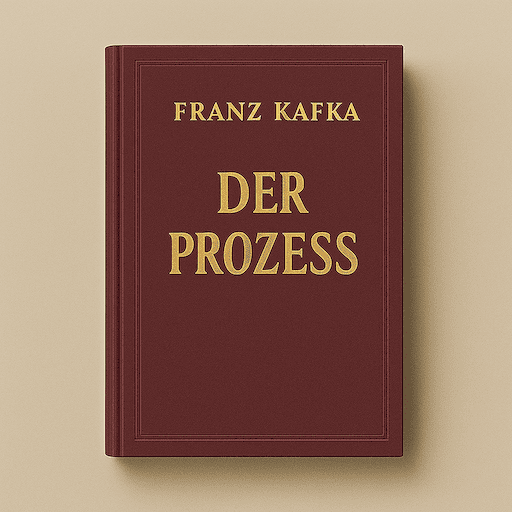
The best German book is the one matching your level. Start with a grammar guide and graded readers, then move to children's classics and short modern novels, and leave Kafka and Zweig until your German can handle long sentences. We have no deal with any publisher here.
Beginner (A1 to A2)
- Easy German Step-by-Step, Ed Swick. Builds grammar in a sensible order, with plenty of practice.
- Practice Makes Perfect: Complete German Grammar, Ed Swick. Good for rules and exercises.
- Short Stories in German for Beginners, Olly Richards. Stories written for learners, so you can read early.
Intermediate (B1 to B2)
- Hammer's German Grammar and Usage. A thorough reference to look things up in, rather than read through.
- Emil und die Detektive, Erich Kästner. A children's classic, so its language is approachable and the plot is fun.
- Der Vorleser, Bernhard Schlink. A modern novel in fairly plain prose, and short enough to finish.
Upper intermediate and beyond: the classics
German is known for long sentences, so we measured the openings of the German classics in our library.
| Book | Author | Words measured | Average words per sentence |
|---|---|---|---|
| Der Amokläufer | Zweig | 4,200 | 22 |
| Die Verwandlung | Kafka | 6,200 | 26 |
| Brief einer Unbekannten | Zweig | 2,500 | 29 |
| Der Process | Kafka | 2,600 | 33 |
| Schachnovelle | Zweig | 3,500 | 35 |
Treat this as a rough guide. It covers only the openings, and the count is automatic. Long sentences also aren't the only challenge, since older spelling and vocabulary can trip you up too.
Our suggestions:
- Start with Die Verwandlung. It's short, gripping and famous, and its sentences are more manageable than Der Process.
- Try Der Amokläufer next. It had the shortest sentences we measured.
- Leave Schachnovelle for later. It's short, but its opening sentences were the longest in our sample.
How to choose
Read the first page before you commit. If you can follow what's happening, the book is a good fit. Every book in the table links to its opening pages for free, with a translation under every line and no account needed.
Before tackling classics, make sure you're comfortable with subordinate clauses, where the verb moves to the end. They're everywhere in literary German. You can also learn more about how reading helps.
Our Learn German app has these classics in full with a translation under every line, along with vocabulary, grammar and graded reading to get you there. It's free to download, though some books and extra content need diamonds you earn while learning, or Premium.