The Maiden of Ghassan
فتاة غسان
Jurji Zaydan · 1897
A Ghassanid princess and a young Arab nobleman in love, as Islam rises in Arabia and Syria.
Read the opening
The original text, with each line followed by its translation.
الفصل الأول: ملوك غسَّان
Chapter One: The Kings of Ghassan
بنو غسَّان عرب منتصرة كانوا عمالًا لقياصرة الرُّوم في الشام وأَصلهم يمنيون من بني قحطان هاجروا اليمن بعد سيل العرم،
The Banu Ghassan were Christianized Arabs who served as governors for the Caesars of the Romans in Syria (al-Sham); they were Yemeni in origin, of the Banu Qahtan, and they left Yemen after the flood of al-Arim,
والعرم سد كان بجوار مدينة مأرب باليمن يعرف بسد مأرب تهدَّم في القرن الأوَّل للميلاد
al-Arim being a dam near the city of Marib in Yemen, known as the Dam of Marib, which collapsed in the first century AD
وطافت مياههُ على ما جاورهُ من البلاد والقرى فقلَّ سبيل الناس إلى الاستقاء فنزح أهلها إلتماسًا للرزق
and its waters overflowed the lands and villages around it, so that people had little means left of drawing water, and its inhabitants moved away in search of a livelihood
ومنهم الغساسنة نزلوا ضواحي الشام بقرب ماء اسمهُ غسَّان فنسبوا إليه واعتنقوا الديانة المسيحية ويسميهم مؤَرخو الإسلام العرب المنتصرة ويعرفون أيضًا بملوك غسَّان.
Among them were the Ghassanids, who settled on the outskirts of Syria near a spring called Ghassan and took their name from it; they embraced the Christian religion, the historians of Islam call them the Christianized Arabs, and they are also known as the Kings of Ghassan.
وأوَّل من عرف منهم جفنة عاش في القرن الثاني للميلاد واتصل الملك بعده بنسلهِ
The first of them known to us was Jafna, who lived in the second century AD, and after him the kingship passed down through his line
فحكم منهم نحو ٢٧ ملكَّا آخرهم جبلة بن الأيهم وفى أيامهِ ظهر الإسلام وفتحت الشام على عهد الخليفة أبى بكر الصديق وانقرضت دولتهم كما سترى.
so that some 27 kings of them reigned, the last being Jabala ibn al-Ayham; in his days Islam appeared, Syria was conquered in the time of the caliph Abu Bakr al-Siddiq, and their dynasty came to an end, as you will see.
ولكن منهم الآن بقية متبعثرة في ضواحي البلقاء واليرموك وحمص.
Yet a remnant of them is still scattered today around al-Balqa, the Yarmouk and Homs.
ومن العرب المنتصرة ملوك الحيرة ويقال لهم المناذرة (جمع المنذر) أو الملوك اللخميون نسبة إلى لخم بن عدي
Among the Christianized Arabs were also the kings of al-Hira, who are called the Manadhira (plural of al-Mundhir) or the Lakhmid kings, after Lakhm ibn Adi
وهم من عرب اليمن نزحوا أيضا بعد السيل وأقاموا في العراق وكانوا عمالًا للفرس هناك
They too were Arabs of Yemen who moved away after the flood and settled in Iraq, where they served as governors for the Persians
ونسبتهم إلى ملوك الفرس كنسبة ملوك غسَّان إلى قياصرة الرُّوم أي أن كلًّا من الفريقين كانوا عمالًا لإحدى هاتين الدولتين.
and they stood to the kings of Persia as the kings of Ghassan stood to the Caesars of the Romans; that is, each of the two parties governed on behalf of one of these two empires.
فالغسَّانيون كانوا يقيمون في حوران والبلقاء وما جاورهما وكانوا أشبه شيء بالولاة المستقلين تحت رعاية الرُّومانيين
The Ghassanids lived in Hauran, al-Balqa and the lands around them, and they were most like independent governors under the protection of the Romans
فيمتازون عن ولاة الرُّوم باستقلالهم في حكومتهم الداخلية تحت شروط معلومة فيؤَدون الجزية ويمدون الرُّومانيين بالجند من قبيلتهم عند الحاجة وخصوصًا في حروبهم مع الفرس.
They differed from the Roman governors in being independent in their internal government under set conditions: they paid tribute and supplied the Romans with soldiers from their tribe when needed, especially in their wars with the Persians.
أو لعلهم كانوا من قبيل أَصحاب الإقطاعات والمتعهدين.
Or perhaps they were something like holders of fiefs and contractors.
وكان العالَم قبيل الإسلام تتنازعه دولتان عظيمتان الفرس في الشرق والرُّومان في الغرب لا يكاد يفتر النزاع بينهما فيستعين الفرس بالمناذرة ويستعين قياصرة الرُّوم بالغساسنة
Shortly before Islam, the world was contested by two great empires, the Persians in the east and the Romans in the west, and the strife between them hardly ever slackened; the Persians enlisted the help of the Manadhira, and the Caesars of the Romans that of the Ghassanids
فتولد بين تينك القبيلتين العربيتين المسيحيتين ضغائن توارثها الأبناء عن الآباءِ وكثيرًا ما كانت تقوم الحرب بينهما حتى يكاد يبيد أحدهما الآخر.
and so between those two Christian Arab tribes grew grudges that sons inherited from their fathers, and war often broke out between them until one nearly wiped out the other.
والنزاع بين الفرس والرُّوم قديم وكأَنهُ طبيعي بين المشرق والمغرب فقد كانت الحروب متواصلة قبلًا بين الفرس واليونان ثم بين الفرس والرُّومان
The strife between the Persians and the Romans was ancient and seemed almost natural between East and West; before that, wars had raged without pause between the Persians and the Greeks, and then between the Persians and the Romans
وكانت عاصمة الفرس المداين بالعراق وعاصمة الرُّومان القسطنطينية فقضوا أجيالًا متوالية وهم بين حرب وصلح تارة يجردون الجند وطورًا يعقدون الصلح.
The capital of the Persians was al-Madain in Iraq and the capital of the Romans Constantinople, and they passed generation after generation between war and peace, now mustering troops, now making peace.
ففي النصف الثاني من القرن السادس للميلاد كان ملك الفرس كسرى رويز وإمبراطور الرُّوم موريسيوس (والعرب تسميهِ موريقى)
In the second half of the sixth century AD, the king of the Persians was Khosrow Parviz, and the emperor of the Romans was Maurice (whom the Arabs call Muriqi)
فثارت في بلاد الفرس ثورة داخلية آلت إلى خلع كسرى فالتجأَ إلى موريسيوس فساعده وأعاده إلى ملكهِ وكان ذلك داعيًا إلى مصالحة وهدنة.
A revolt broke out within Persia that ended in Khosrow being deposed, so he took refuge with Maurice, who helped him and restored him to his throne, and this led to a reconciliation and a truce.
وفي سنه ٦٠٢م قتل موريسيوس هذا قتلهُ فوكاس (فوقا) وتولى هو الملك مكانهُ وكان على الفرس كسرى برويز المذكور
In the year 602 AD this Maurice was killed; Phocas (Fuqa) killed him and took the throne in his place, while the Persians were ruled by the aforementioned Khosrow Parviz
وكان صهرا لموريسيوس قد تزوَّج ابنتهُ ماريا
He was Maurice's son-in-law, having married his daughter Maria
فلما سمع بمقتل حميهِ اعتبر معاهدة الصلح بينهما لاغية وحمل بجيشهِ على القسطنطينية متظاهرًا بالانتقام من قاتل حميهِ وهو يضمر الاستيلاء على مملكة الرُّوم
When he heard of his father-in-law's murder, he held the peace treaty between them to be void and marched with his army on Constantinople, making a show of avenging himself on his father-in-law's killer while secretly intending to seize the realm of the Romans
فظلَّت القسطنطينية أثناء حكم هذا الإمبراطور في حصار دائم فملَّ الناس حكومته فثاروا عليهِ وأرادوا خلعهُ فاستدعوا هراكليوس (هرقل) ابن والى القيروان عن الرُّوم
So Constantinople lay under constant siege throughout this emperor's reign; the people grew weary of his rule, rose against him and sought to depose him, and they summoned Heraclius (Hiraql), son of the Romans' governor of Kairouan
فجاءَ سنة ٦١٠م بعمارة بحرية ودخل القسطنطينية عنوة وقتل فوقا وتولى مكانهُ والفرس قد قاموا على الرُّوم قومة واحدة فكان كسرى محاصرًا القسطنطينية بنفسهِ
He came in the year 610 AD with a fleet, took Constantinople by force, killed Phocas and ruled in his place, while the Persians had risen against the Romans as one man; Khosrow himself was besieging Constantinople
وكان قائد من قواده محاصرًا بيت المقدس وآخر محاصرًا الإسكندرية والناس يفرُّون من وجه الفرس من كل صوب
one of his commanders was besieging Jerusalem and another Alexandria, and people were fleeing before the Persians on every side
فلم تأتِ السنة الخامسة من حكم هرقل حتى استولى الفرس على القدس وفى الثامنة (سنة ٦١٨) دخلوا الإسكندرية واستولوا على مصر السفلى
and before the fifth year of Heraclius's reign had come, the Persians had taken Jerusalem, and in the eighth (the year 618) they entered Alexandria and seized Lower Egypt
فلاقوا من أَهل الشام ومصر ترحابًا وارتياحًا لارتباطهم معهم ومع جندهم اللخميين برابطة الوطن الشرقي والعوائد الشرقية فلبثوا تحت نيرهم عشر سنوات
They met with welcome and relief from the people of Syria and Egypt, who were bound to them and to their Lakhmid soldiers by the tie of an Eastern homeland and Eastern customs, and they remained under their yoke for ten years
ثم اشتغل الفرس بعصيان بعض ولاياتهم فضعف أَمرهم فاغتنم هرقل تلك الفرصة وحمل عليهم بجنده فأخرجهم من الشام ومصر وأعاد المملكتين إلى حوزة الرُّوم
Then the Persians became occupied with the rebellion of some of their provinces and their power waned; Heraclius seized that opportunity, fell upon them with his troops, drove them out of Syria and Egypt and restored both lands to the possession of the Romans
ولم يكد يستريح هرقل من هذه الحروب حتى جاءه المسلمون في أوائل الهجرة مفتتحين
Hardly had Heraclius rested from these wars when the Muslims came upon him as conquerors in the early years of the Hijra
وهو لا يزال في سوريَّا وحصونهُ لا تزال متهدمة وجيوشهُ متبعثرة وسائر قواتهِ متضعضعة.
while he was still in Syria, his fortresses still in ruins, his armies scattered and the rest of his forces shaken.
وكان بنو غسَّان تحت سيطرة الوالي الروماني المقيم بدمشق بأَمر إمبراطور المملكة الرومانية الشرقية المقيم في القسطنطينية فترد الأوامر الإمبراطورية من الإمبراطور إلى والي دمشق وهو يبلغها إلى ملك غسَّان.
The Banu Ghassan were under the authority of the Roman governor residing in Damascus, by order of the emperor of the Eastern Roman Empire residing in Constantinople; the imperial orders came from the emperor to the governor of Damascus, and he passed them on to the king of Ghassan.
وكان كرسي حكومة الغسَّانيين تارة في عمان بالبلقاءِ وطورًا في تدمر وأحيانًا في الجولان وتارة في بصري عاصمة حوران في ذلك العهد.
The seat of the Ghassanid government was at one time in Amman in al-Balqa, at another in Palmyra, sometimes in the Golan, and at times in Bosra, the capital of Hauran in that era.
ففي نحو السنة السابعة للهجرة (٦٢٩) كان على الغسَّانيين في الشام ملكان في وقت واحد أحدهما الحارث بن أبى شمر والآخر جبلة بن الايهم
Around the seventh year of the Hijra (629), the Ghassanids in Syria had two kings at the same time, one of them al-Harith ibn Abi Shamir and the other Jabala ibn al-Ayham
وكان الحارث يقيم في بصرى وفى مكانها الآن قرية صغيرة اسمها اسكي شام أي الشام القديمة وسيأتي ذكرها
Al-Harith lived in Bosra, where there now stands a small village called Eski Sham, that is, Old Sham, of which we shall speak later
وبجوار بصرى هذه دير بحيراء الذي نزل عنده أبو طالب
Near this Bosra stood the Monastery of Bahira, where Abu Talib once halted
ومعهُ ابن أخيهِ صاحب الشريعة الإسلامية يوم قدموا الشام للتجارة قبل ظهور الدعوة الإسلامية ببضع وعشرين سنة.
with his nephew, the bringer of the Islamic law, when they came to Syria to trade some twenty-odd years before the call of Islam appeared.
وأما جبلة فهو ابن عم الحارث المشار إليه وكان يقيم بالبلقاء.
As for Jabala, he was the cousin of the aforementioned al-Harith, and he lived in al-Balqa.
الفصل الثاني: فتاة غسَّان
Chapter Two: The Maiden of Ghassan
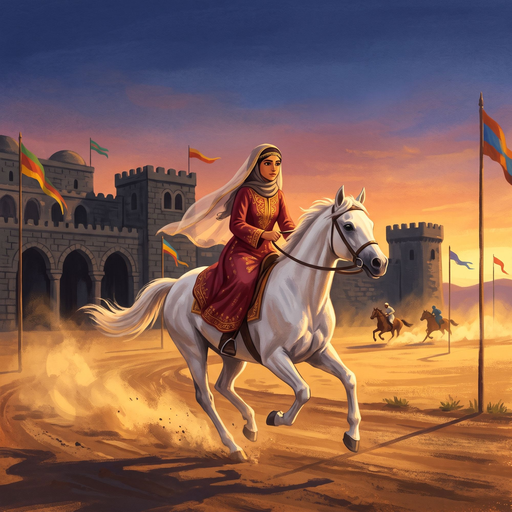
وكان لجبلة هذا ابنة بارعة في الجمال مع تعقل ورزانة اسمها هند ربيت منذ حداثتها على ظهور الخيل فشبت مولعة بركوبها
This Jabala had a daughter of surpassing beauty, joined with good sense and composure, named Hind; from her earliest youth she was raised on horseback, and she grew up passionately fond of riding
ومجاراة أعاظم الفرسان في حلبة السباق حتى طار صيتها في القبائل حديث القوم ومضرب أمثالهم قبل أن بلغت العشرين من عمرها.
and of matching the greatest horsemen on the racecourse, until her fame spread through the tribes; she was the talk of the people and a byword among them before she had reached the age of twenty.
وكانت تقيم غالبًا في صرح الغدير
She lived mostly in the Palace of al-Ghadir
وهو قصر بديع شاهق بناه ثعلبة بن عمرو أَحد ملوك غسَّان في القرن الرابع للميلاد في أطراف حوران مما يلي البلقاء من حجارة ضخمة
a splendid, lofty castle built of huge stones by Thaalaba ibn Amr, one of the kings of Ghassan, in the fourth century AD, on the edge of Hauran next to al-Balqa
فيهِ غرف واسعة تحدق بها الحدائق والبساتين تجرى من تحتها الجداول والسواقي معظم أيام السنة.
with spacious rooms surrounded by gardens and orchards, beneath which brooks and channels ran most days of the year.
وكان بجوار القصر سهل واسع الأرجاء خصصوه لسباق الخيل في مواقيت معينة من العام ينخرط في سلكهِ أمهر فرسان البلقاء وحوران
Beside the castle lay a broad plain that they had set aside for horse races at fixed times of the year, in which the most skilled horsemen of al-Balqa and Hauran took part
وقد يقصده أهل البلاد الأخرى وكانت هند تنزل السباق بنفسها وكثيرًا ما أحرزت قصب السبق.
People from other lands sometimes came to it as well; Hind herself would enter the race, and she often carried off the cane of victory.
وكان ذلك السباق تحت رعاية والدها جبلة
That race was under the patronage of her father Jabala
فيخلع على السابقين خلعًا يعينها قبل الشروع في السباق فمن نال قصب السبق احتفلوا بإلباسهِ الخلعة في مساء يوم السباق احتفالًا يحضره الشعراء ينظمون القصائد في مدح السابق
who bestowed on the winners robes of honour that he named before the race began; whoever won the cane of victory, they celebrated by clothing him in the robe on the evening of race day, at a festivity attended by poets who composed odes in praise of the winner
ثم تحمل هند الخلعة بيدها وتلبسها للسابق فإذا جاءَ يوم السباق تقاطر الفرسان من أنحاء الشام وحوران والبلقاء وغيرها يتسابقون إلى إحراز تلك الجائزة.
Then Hind would carry the robe in her own hand and put it on the winner; so when race day came, horsemen streamed in from all over Syria, Hauran, al-Balqa and elsewhere, vying to win that prize.
ففي سنة ٦٢٩م (سنة ٧ للهجرة) بثَّ جبلة المنادين ينبئون الناس بسباق ذلك الفصل
In the year 629 AD (year 7 of the Hijra), Jabala sent out heralds to announce to the people the race of that season
وهو فصل الربيع وعين لهُ الجائزة درعًا سليمانية كاملة وأمر بإعداد حاجيات الاحتفال بجوار صرح الغدير
which was spring; he appointed as its prize a complete Solomonic coat of mail and ordered all that the festivity required to be prepared beside the Palace of al-Ghadir
حتى إذا دنا اليوم المعين تقاطر الفرسان إلى تلك الساحة زرافات ووحدانًا بخيولهم وسياسهم وفيهم جماعة كبيرة من الأمراءِ الغسَّانيين وغيرهم بعضهم بالعمامة
and when the appointed day drew near, horsemen streamed to that field in groups and singly with their horses and grooms, among them a great company of Ghassanid emirs and others, some in turbans
وبعضهم بالكوفية والعقال وبعضهم بالقلانس تشبهًا بالروم.
some in the keffiyeh and agal, and some in tall caps in imitation of the Romans.
ففي صباح يوم الموعد كانت الخيول مصفوفة بجانب السهل صفوفًا غير منتظمة والخيام منصوبة ليأوي إليها الفرسان أثناءَ السباق في صدرها خيمة جبلة
On the morning of the appointed day the horses stood lined up along the plain in irregular rows, and tents had been pitched for the horsemen to shelter in during the race; at their head was Jabala's tent
وهي فسطاط كبير مبطن بالحرير الأحمر أرضهُ مكسوة بالبسط والسجاد وقد علقت تلك الدرع في بعض أعمدتهِ ليراها الفرسان ويشتاقوا إلى إحرازها.
a great pavilion lined with red silk, its floor covered with rugs and carpets, and that coat of mail had been hung on one of its poles so that the horsemen might see it and long to win it.
فلما أشرقت الغزالة وأعدت الخيول شاعت أعين الفرسان نحو القصر في انتظار هند وأبيها فإذا بالأبواب قد فتحت وخرج جبلة
When the sun rose and the horses were made ready, the horsemen's eyes turned toward the castle as they waited for Hind and her father; and behold, the doors opened and Jabala came out
وكان قد جاءَ من مساءِ الأمس وبات في القصر استعدادًا لحضور السباق فلما أنبئَ الناس بخروجه تأدبوا في موقفهم فمرَّ بالحديقة
He had come the evening before and spent the night in the castle to be ready to attend the race; when the people were told he had come out, they stood respectfully in their places, and he passed through the garden
ثم فتحت أبوابها فخرج جبلة وحاشيتهُ وعلى رأسهِ تاج مرصع تنعكس أشعة الشمس عن جواهره فتبهر الأبصار
then its gates were opened and Jabala came out with his retinue, on his head a jewelled crown whose gems threw back the sun's rays and dazzled the eyes
وكان طويل القامة أصهب (أي يخالط بياض وجههِ حمرة) ذو سبال وعثنون عليهِ أزار من الديباج المزركش يغطى أثوابهُ ويديهِ ويجره وراءَه.
He was tall and ruddy-fair (that is, the whiteness of his face was mixed with red), with a moustache and a full beard; he wore a wrap of embroidered brocade that covered his clothes and his hands and trailed behind him.
فمشى والخدم تقود أفراسهُ وراءَه معقودة أذنابها وعليها القلائد من الذهب والفضة
He walked on, with servants leading his horses behind him, their tails knotted and necklaces of gold and silver upon them
حتى جاءَ فسطاطهُ فجلس في صدره على سرير من خشب العرعر محلى بالذهب وساقوا خيلهُ إلى مرابطها في خيمة خاصة بها
until he reached his pavilion and sat at its head on a couch of juniper wood adorned with gold, and they led his horses to their stalls in a tent of their own
ووقف في باب الفسطاط الحاجب وراءَه جماعة من الحاشية بعضهم يحمل سيف جبلة وآخر يحمل قوسه ولم يكد يستوي على سريره
At the door of the pavilion stood the chamberlain, with a group of the retinue behind him, one carrying Jabala's sword and another his bow; and he had hardly settled on his couch
حتى استأذن الشعراء بالدخول عليهِ فأذن لبعضهم فدخلوا وألقوا التحية وتربعوا على البساط في أرض الفسطاط فلما رآهم جبلة تذكر حسَّانَ بن ثابت
when the poets asked leave to come in to him; he admitted some of them, and they entered, offered their greetings and sat cross-legged on the carpet on the floor of the pavilion; and when Jabala saw them he remembered Hassan ibn Thabit
وكان يختلف إليه كثيرًا ويمتدحه فيصلهُ بالهبات الوافرة ولكن حسانا لما اعتنق الإسلام أقام في المدينة وانقطع عن الغساسنة وغيرهم.
who used to visit him often and praise him in verse, and he would reward him with generous gifts; but when Hassan embraced Islam, he settled in Medina and broke off with the Ghassanids and others.
وبعد هنيهة خرجت هند بنت جبلة من قصرها تحف بها جواريها وقد يعرف الناس خروجها برائحة طيبها قبل أن يروها فمرَّت بحديقة القصر
After a little while Hind, daughter of Jabala, came out of her palace surrounded by her maids, and people often knew she was coming out by the scent of her perfume before they saw her; she passed through the palace garden
حتى خرجت من بابها وأعين الفرسان شائعة نحوها وأكثرهم إنما يأتي السباق ليتمتع بنظرة منها.
until she came out of its gate, the horsemen's eyes turned toward her; most of them came to the race only to enjoy a glimpse of her.
فمشت من باب الحديقة مشية تدل على صحة ورزانة
She walked from the garden gate with a gait that showed health and poise
وكانت ممشوقة القوام ممتلئة الجسم مستديرة الوجه قمحية اللون مشربة بالحمرة سوداء العينين مع كحل طبيعي لا يكاد يصدق الناظر إليها
She was slender of figure yet full of body, round of face, wheat-coloured with a flush of red, black-eyed, with a natural kohl, so that whoever looked at her could hardly believe
إلا أنها مكحلة بالأثمد وكان شعرها أسود مضفورًا قد أرسلت ضفائره خصلة واحدة على ظهرها
anything but that she had lined her eyes with antimony; her hair was black and braided, and she had let her braids fall in a single lock down her back
وفى أطراف الضفائر قطع من النقود الذهبية أو الحلي وفى أذنيها قرطان في كل منهما لؤلؤة كبيرة وجعلت على رأسها تاجًا صغيرًا مرصعا
at the ends of the braids were pieces of gold coin or trinkets; in her ears were two earrings, each with a large pearl, and on her head she had set a small jewelled crown
وضعتهُ مائلًا نحو اليمين وفى عنقها عقد من المرجان وفى أحد معصميها دملج من الذهب عريض مرصع بالياقوت وفى أصابعها الخواتم من العقيق والزمرد
which she wore tilted to the right; around her neck was a coral necklace, on one wrist a broad gold bracelet set with rubies, and on her fingers rings of carnelian and emerald
وقد أرخت من كتفها رداءً حريريًا مخططًا بألوان بديعة يغطيها إلى الرسغ فلا يظهر من أثوابها إلا أسفل الحذاء.
From her shoulder she had let fall a silk cloak striped in splendid colours that covered her down to the ankle, so that nothing of her clothing showed but the bottom of her shoes.
فتخلف بعض جواريها في الحديقة ورافقتها اثنتان منهنَّ إلى الفسطاط وعيون الناس شاخصة إليها عن بعد وهي تنظر إليهم بطرف عينها حياء ورفعة
Some of her maids stayed behind in the garden and two of them went with her to the pavilion, while people's eyes were fixed on her from afar and she glanced at them from the corner of her eye with modesty and loftiness
حتى دخلت الفسطاط فرحب بها والدها وأجلسها إلى جانبهِ وكان كثير الولع بها حتى تسلطت على عقلهِ ورأيهِ وكثيرًا ما كان يستشيرها في أموره
until she entered the pavilion; her father welcomed her and seated her at his side; he was so very fond of her that she held sway over his mind and judgement, and he often consulted her in his affairs
ثم وقف الأتباع والخدم خارج الفسطاط ومعهم خادمتاها وكان مقعد جبلة وهند هناك بحيث يشرفان على ساحة السباق ويريان المتسابقين في أوَّل الشوط.
Then the attendants and servants stood outside the pavilion, with her two maids among them; Jabala and Hind were seated there so that they overlooked the racecourse and could see the riders at the start of the course.
ثم سمعوا جلبة وقيل أن ثعلبة بن الحارث بن أبى شمر صاحب بصرى قد جاءَ بحاشيتهِ فلما سمعت هند بقدومهِ غلب عليها الانقباض حتى كاد يظهر على وجهها.
Then they heard a commotion, and word came that Thaalaba, son of al-Harith ibn Abi Shamir, lord of Bosra, had arrived with his retinue; when Hind heard of his coming, a gloom came over her that nearly showed on her face.
أما جبلة فنهض عن سريره إلى باب الفسطاط لاستقبال ثعلبة
Jabala, for his part, rose from his couch and went to the door of the pavilion to receive Thaalaba
وكان ثعلبة شابًا قَصير القامة خفيف العضل نحيف الوجه كبير العينين والأذنين ليس عليهِ من مهابة الملوك إلا ملابسهُ الفاخرة
Thaalaba was a short young man, lightly muscled, thin of face, with large eyes and ears; there was nothing of the majesty of kings about him except his rich clothes
فقد كان لابسًا طيلسانًا من الحرير مزركشًا يجر وراءَه على عادة الرُّومان وسيفهُ أعقف مرصع يتدلى من حمائلهِ إلى يساره
for he wore an embroidered silk mantle that trailed behind him in the Roman fashion, and his curved, jewelled sword hung from its baldric at his left side
وقد أوقف طرفي شاربيهِ أنفة وكبرًا واعتدادًا بمنصب والده.
and he had turned up the tips of his moustache out of disdain, arrogance and pride in his father's rank.
وكان الغسَّانيون يتحدثون بهند وثعلبة ويزعمون أنهما لا بدَّ من تزوجهما نظرًا لما بينهما من النسبة والنسب ولكن ذلك لم يخرج إلى حيز الوجود
The Ghassanids used to talk of Hind and Thaalaba and claim that the two were bound to marry, given the kinship and lineage between them, but that had never come to pass
ولا تخاطب الوالدان بشأنهِ على أن ثعلبة كان كثير الاعتداد بنفسهِ وربما حدثتهُ خيلاؤُه أن يترفع عن هند لو خوطب بشأنها.
nor had the two fathers ever spoken of it; besides, Thaalaba was very full of himself, and his vanity might well have prompted him to look down on Hind had the matter been put to him.
أما هي فكانت خالية الذهن من أمر الزواج ولكنها كانت تستنكف من أخلاق ابن عمها ولا تميل إليه ولولا رابطة القرابة ما خاطبتهُ ولا جالستهُ مطلقًا.
As for her, she gave no thought to marriage, but she disdained her cousin's character and had no liking for him; were it not for the bond of kinship, she would never have spoken to him or sat with him at all.
فلما وصل ثعلبة استقبلهُ جبلة وعانقهُ ورحب بهِ وأدخلهُ الفسطاط وأجلسهُ على سرير بجانب سريره وأخذ يسألهُ عن والده وسبب تخلفهِ عن ذلك السباق
When Thaalaba arrived, Jabala received him, embraced him, welcomed him, brought him into the pavilion, seated him on a couch beside his own and began asking him about his father and why he had stayed away from that race
فاعتذر عنهُ أنهُ في شاغل خصوصي حال بينهُ وبين ما يريد وكان جبلة إنما يكرم ثعلبة إكرامًا لمنزلة والده ومراعاة لآداب الملوك فيما بينهم.
He excused his father, saying he was taken up with a private matter that kept him from what he wished; Jabala honoured Thaalaba only out of regard for his father's standing and in observance of the courtesies kings owe one another.
أما هند فسلمت على ثعلبة سلامًا اعتياديًا وجلست تتشاغل بالتفرج بمنظر ذلك السهل الواسع وما يتراءَى وراءه من الجبال وتتظاهر أنها مهتمة بمنظر الخيول المتزاحمة هناك.
Hind, for her part, greeted Thaalaba in the ordinary way and sat busying herself with the view of that broad plain and the mountains that showed beyond it, pretending to be absorbed in the sight of the horses crowding there.
أما ثعلبة فكان يخاطب عمهُ وعيناه على هند لا لحبهِ لها بل رغبة في إعجابها بهِ وهي كلما التمس إعجابها زادتهُ ازدراء
Thaalaba, for his part, spoke with his uncle with his eyes on Hind, not from love of her but from a wish to win her admiration; yet the more he sought her admiration, the more contempt she showed him
فلما أتم حديثهُ مع عمهِ تحوَّل نحوها فسأَلها عن عزمها هذه المرة على النزول في ساحة السباق فأجابت
When he had finished talking with his uncle, he turned to her and asked whether she meant to enter the racecourse this time, and she answered
وهي تنظر إلى الميدان أنها لا تنوى النزول الآن ولكنها ربما نزلت إذا رأت ما يشوق إلى ذلك.
with her eyes on the field that she did not mean to enter just now, but that she might if she saw something to tempt her to it.
فلما اقترب الضحى خرج بعض أمراء جبلة وأخذوا يهيئون معدات السباق ويرتبوها فنصبوا حبلًا يقف الفرسان عنده
As the forenoon drew near, some of Jabala's emirs went out and began to prepare and arrange the things needed for the race; they stretched a rope at which the horsemen would stand
إذا عزموا على السباق فيكونون صفا واحدًا على استواء واحد ثم تناول أحدهم قصبة طويلة أعدت لذلك اليوم وسار بها إلى آخر الساحة
when they were ready to race, so that they would form a single line, all level; then one of them took a long cane made ready for that day and carried it to the far end of the field
فنصبها هناك فمن سبق اقتلعها وأخذها ليعلم الحاضرون أنهُ السابق من غير نزاع فيقال لمن اقتلع تلك القصبة أنهُ أحرز قصب السبق.
and planted it there; whoever came first would pull it up and take it, so that those present would know he was the winner beyond dispute, and of the one who pulled up that cane it was said that he had carried off the cane of victory.
Read the whole book in the app, with audio and a translation one tap away.
From the blog
Learn Arabic arrives on 1 December
The app is almost ready: the Arabic alphabet from scratch, grammar, over 2,500 words with audio and classics such as Gibran's The Broken Wings in the original. Leave your email and we'll let you know the day it's out.
One email when the app is out. Nothing else.