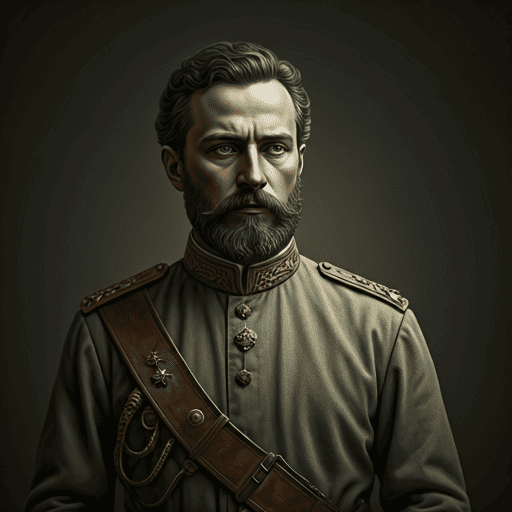
Династия Романовых
The Romanov Dynasty
 Learn RussianFree app with audio, quizzes and real books
Key words
- династияdynasty
- РомановRomanov
- РоссияRussia
- царьtsar
- царицаtsarina
- правлениеreign
- историяhistory
- векcentury
- семьяfamily
- городcity
- армияarmy
- флотfleet
All 30 words
- заводfactory
- дворецpalace
- школаschool
- музейmuseum
- культураculture
- образованиеeducation
- войнаwar
- революцияrevolution
- памятникmonument
- строительствоconstruction
- территорияterritory
- наследиеlegacy
- событиеevent
- проблемаproblem
- развитиеdevelopment
- европейскийEuropean
- убийствоmurder
- изучениеstudy
Романовы правили Россией с 1613 по 1917 год, то есть больше трёхсот лет. На эти три века пришлось очень многое: войны и реформы, расцвет науки и искусства и, наконец, революция, которая положила конец монархии.
The Romanovs ruled Russia from 1613 to 1917, more than three hundred years. A lot happened in those three centuries: wars and reforms, a golden age of science and art, and finally a revolution that ended the monarchy.
Начало династии
The beginning of the dynasty
В 1598 году умер царь Фёдор Иоаннович, последний из Рюриковичей. Для России наступило Смутное время: шли войны, страну охватил голод, а на трон один за другим претендовали самозванцы. Лишь в 1613 году Земский собор выбрал нового царя. Им стал шестнадцатилетний Михаил Фёдорович Романов. При нём жизнь в стране постепенно наладилась.
In 1598 Tsar Fyodor Ivanovich, the last of the Rurikids, died. Russia slid into the Time of Troubles: there were wars, famine swept the country, and one pretender after another laid claim to the throne. It wasn't until 1613 that the Zemsky Sobor chose a new tsar: sixteen-year-old Mikhail Fyodorovich Romanov. Under him, life in the country slowly returned to normal.
Знаменитые правители
Famous rulers
Среди Романовых было немало ярких личностей, но самый известный из них, пожалуй, Пётр I, которого называют Великим. Он правил с 1682 по 1725 год и мечтал сделать Россию сильной европейской державой. Пётр создал флот, перестроил армию и основал Санкт-Петербург, который стал новой столицей. Он менял законы и даже заставлял дворян брить бороды и носить европейское платье.
The Romanovs produced plenty of remarkable figures, but the best known is probably Peter I, known as Peter the Great. He ruled from 1682 to 1725 and wanted to turn Russia into a strong European power. Peter built a navy, reorganised the army and founded Saint Petersburg, which became the new capital. He rewrote laws and even made noblemen shave their beards and wear European dress.
Великой назвали и Екатерину II, которая правила с 1762 по 1796 год. При ней Россия вышла к Чёрному морю и присоединила Крым. Императрица переписывалась с Вольтером, открыла в Петербурге Смольный институт, первое в стране учебное заведение для девушек, и начала собирать картины, из которых потом вырос Эрмитаж. С Россией теперь считались все европейские державы.
Catherine II, who ruled from 1762 to 1796, was also called "the Great". Under her, Russia reached the Black Sea and annexed Crimea. The empress corresponded with Voltaire, opened the Smolny Institute in Saint Petersburg, the country's first school for girls, and began collecting the paintings that later grew into the Hermitage. Every European power now had to reckon with Russia.
Между Петром и Екатериной на троне сменилось несколько правителей, среди них Анна Иоанновна и дочь Петра Елизавета. А после Екатерины царствовал её сын Павел I. Одни монархи проводили реформы, другие почти ничего не меняли.
Between Peter and Catherine, several rulers came and went, among them Anna Ioannovna and Peter's daughter Elizabeth. After Catherine, her son Paul I took the throne. Some monarchs pushed through reforms; others left things much as they found them.
Последние годы Романовых
The last years of the Romanovs
Последним императором стал Николай II, который правил с 1894 по 1917 год. В эти годы Россия быстро менялась: открывались новые заводы, через всю Сибирь до Владивостока прокладывали Транссибирскую магистраль. Но большинство людей по-прежнему жило бедно. Поражение в войне с Японией и революция 1905 года показали, как сильно народ недоволен властью.
The last emperor was Nicholas II, who ruled from 1894 to 1917. Russia changed fast in those years: new factories opened, and the Trans-Siberian Railway was laid across Siberia all the way to Vladivostok. But most people were still poor. Defeat in the war with Japan and the revolution of 1905 showed how deeply people resented the government.
В 1914 году Россия вступила в Первую мировую войну и потеряла на фронте миллионы людей. Война, бедность и голод привели к революции 1917 года. Николай II отрёкся от престола, а летом 1918 года его вместе с семьёй расстреляли в Екатеринбурге. На этом история династии закончилась.
In 1914 Russia entered the First World War and lost millions of people at the front. War, poverty and hunger led to the revolution of 1917. Nicholas II gave up the throne, and in the summer of 1918 he and his family were shot in Yekaterinburg. That was the end of the dynasty.
Наследие династии
The legacy of the dynasty
Романовы оставили после себя очень многое. При них Россия превратилась в огромную империю, от Балтийского моря до Тихого океана. Пётр I основал Академию наук, а при Елизавете открылся Московский университет. Зимний дворец, Петергоф и Царское Село, построенные для царской семьи, и сегодня привлекают тысячи туристов.
The Romanovs left a great deal behind. Under them Russia became a vast empire stretching from the Baltic Sea to the Pacific Ocean. Peter I founded the Academy of Sciences, and Moscow University opened under Elizabeth. The Winter Palace, Peterhof and Tsarskoye Selo, built for the imperial family, still draw thousands of tourists today.
Интерес к Романовым не угасает и сейчас. В 1998 году останки Николая II и членов его семьи перезахоронили в Петропавловском соборе Петербурга, где покоятся почти все русские императоры. О последней царской семье до сих пор пишут книги и снимают фильмы.
Interest in the Romanovs has not faded. In 1998 the remains of Nicholas II and members of his family were reburied in the Peter and Paul Cathedral in Saint Petersburg, where almost all the Russian emperors lie. Books and films about the last imperial family are still being made.
Интересные факты
Interesting facts
Романовы правили Россией больше 300 лет.
The Romanovs ruled Russia for more than 300 years.
Пётр Великий основал Санкт-Петербург в 1703 году.
Peter the Great founded Saint Petersburg in 1703.
При Екатерине Великой территория России сильно выросла.
Russia's territory grew considerably under Catherine the Great.
Николай II стал последним царём из этой династии.
Nicholas II was the last tsar of the dynasty.
В 1918 году Николая II и его семью расстреляли.
In 1918 Nicholas II and his family were shot.
История Романовых во многом и есть история России. По ней видно, как за три века страна менялась, росла и искала своё место в мире.
The story of the Romanovs is, in many ways, the story of Russia itself. It shows how the country changed, grew and searched for its place in the world over three centuries.
In the free app you can listen to this text read aloud and tap any word to see what it means.