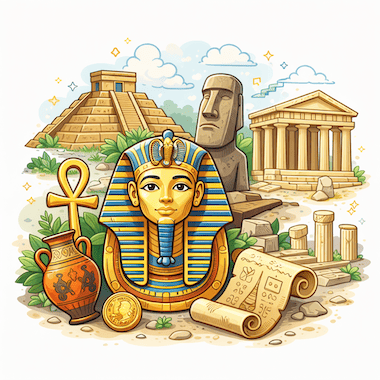
Ancient Civilizations
الحضارات القديمة
 Learn Englishتطبيق مجاني فيه نطق صوتي واختبارات وكتب حقيقية
كلمات مهمة
- civilizationحضارة
- archaeologistعالم آثار
- sophisticatedمتطور
- ingeniousبارع
- interconnectedمترابط
- precisionدقة
- scholarعالم
- assumptionافتراض
- flourishازدهار
- advancedمتقدم
- drainageصرف
- sewageمياه الصرف الصحي
كل الكلمات (30)
- standardizedموحد
- unsolvedغير محلول
- enduringخالد
- laborerعامل
- contributionمساهمة
- astronomerفلكي
- predictionتنبؤ
- aqueductقناة لنقل المياه
- durableمتين
- sustainableمستدام
- masterpieceتحفة
- decodedمفكك التشفير
- mummyمومياء
- hierarchyتسلسل هرمي
- relicأثر
- ambitionطموح
- instabilityعدم استقرار
- fragileهش
The ancient world is full of surprises. For a long time, historians assumed that early civilizations were simple, rough drafts of our own. But the more archaeologists dig, the clearer it becomes that ancient peoples were inventive, well organized and in closer contact with each other than anyone expected.
العالم القديم مليء بالمفاجآت. فقد ظنّ المؤرخون زمنًا طويلًا أن الحضارات الأولى لم تكن سوى مسودات بسيطة وبدائية لحضارتنا. لكن كلما تعمّق علماء الآثار في الحفر، اتضح أن الشعوب القديمة كانت مبدعة وحسنة التنظيم، وأن صلاتها ببعضها كانت أوثق بكثير مما توقّعه أحد.
They built cities on careful grid plans, moved goods across seas and deserts, and followed the sky with great accuracy. Some of their work still puzzles engineers today. Their stories make us rethink easy ideas about progress and about what it means to be civilized.
فقد بنت مدنها وفق مخططات شبكية مدروسة، ونقلت البضائع عبر البحار والصحارى، ورصدت السماء بدقة كبيرة. وما زالت بعض منجزاتها تحيّر المهندسين حتى اليوم. وتدفعنا قصصها إلى إعادة النظر في أفكار سهلة عن التقدّم وعن معنى أن نكون متحضّرين.
The Indus Valley: The Forgotten Giant
وادي السند: العملاق المنسي
Around 2500 BCE, while the Egyptians were building the pyramids at Giza and the cities of Mesopotamia were growing rich, a third great civilization was flourishing in what is now Pakistan and northwest India. Later historians knew almost nothing about it until excavations began in the 1920s. Today we call it the Indus Valley Civilization, and in some ways it was the most advanced urban society of its time.
نحو عام 2500 قبل الميلاد، بينما كان المصريون يبنون أهرامات الجيزة وكانت مدن بلاد الرافدين تزداد ثراءً، كانت حضارة عظيمة ثالثة تزدهر فيما يُعرف اليوم بباكستان وشمال غرب الهند. ولم يكن المؤرخون اللاحقون يعرفون عنها شيئًا تقريبًا حتى بدأت أعمال التنقيب في عشرينيات القرن العشرين. ونسمّيها اليوم حضارة وادي السند، وكانت من بعض النواحي أكثر المجتمعات الحضرية تقدّمًا في عصرها.
Its largest cities, Mohenjo-daro and Harappa, were laid out on a grid, with main streets running north to south and east to west. Most houses had a bathroom connected to covered drains along the street, a level of public sanitation that Europe would not see until the Romans. Merchants used the same standard stone weights across a huge area, larger than Egypt and Mesopotamia combined. And yet we still cannot read their writing. The Indus script, found on thousands of small seals and tablets, is one of the great unsolved puzzles of archaeology.
خُططت كبرى مدنها، موهينجو دارو وهارابا، على شكل شبكة، وامتدت شوارعها الرئيسية من الشمال إلى الجنوب ومن الشرق إلى الغرب. وكان في معظم البيوت حمّام موصول بقنوات صرف مغطاة على امتداد الشارع، وهو مستوى من النظافة العامة لم تعرفه أوروبا إلا في عهد الرومان. واستخدم التجار الأوزان الحجرية الموحّدة نفسها في منطقة شاسعة تفوق مساحتها مصر وبلاد الرافدين مجتمعتين. ومع ذلك ما زلنا عاجزين عن قراءة كتابتهم. فكتابة السند، الموجودة على آلاف الأختام والألواح الصغيرة، تبقى من أكبر الألغاز التي لم يحلّها علم الآثار بعد.
Ancient Egypt: Stranger Than You Think
مصر القديمة: أغرب مما تظن
Ancient Egyptian civilization lasted for more than 3,000 years. That is so long that Cleopatra lived closer in time to the Moon landing than to the building of the Great Pyramid. Even so, there is a lot about Egypt that most people have never heard.
دامت حضارة مصر القديمة أكثر من 3000 عام. وهي مدة طويلة إلى حدّ أن كليوباترا عاشت في زمن أقرب إلى الهبوط على سطح القمر منه إلى بناء الهرم الأكبر. ومع ذلك ففي تاريخ مصر أشياء كثيرة لم يسمع بها معظم الناس.
The pyramids were not built by slaves, as many films suggest. They were built by organized crews of workers, many of them skilled, who lived in a town next to the site at Giza. Bakeries and animal bones found there show that they ate bread, fish and plenty of meat and drank beer, and their skeletons show broken bones that had been set and healed. The crews gave themselves names like “Friends of Khufu” and “Drunkards of Menkaure,” which they painted on the stones. Records from a later village of tomb builders, Deir el-Medina, show that workers there could take days off when they were sick, or even after a scorpion sting.
لم يبنِ العبيدُ الأهرامات كما توحي أفلام كثيرة. بل بنتها فرق منظّمة من العمال، كثير منهم حِرفيون مهرة، عاشوا في بلدة مجاورة لموقع البناء في الجيزة. وتُظهر المخابز وعظام الحيوانات التي عُثر عليها هناك أنهم كانوا يأكلون الخبز والسمك وكثيرًا من اللحم ويشربون الجعة، كما تُظهر هياكلهم العظمية كسورًا جُبّرت والتأمت. وأطلقت الفرق على نفسها أسماء مثل «أصدقاء خوفو» و«سكارى منكاورع»، وكتبتها بالطلاء على الحجارة. وتُبيّن سجلات دير المدينة، وهي قرية لاحقة لبناة المقابر، أن العمال هناك كان بإمكانهم التغيّب عن العمل حين يمرضون، بل وحتى بعد لدغة عقرب.
The Maya: Masters of Time
المايا: سادة الزمن
The Maya flourished for more than 2,000 years in what is now southern Mexico, Guatemala and Belize. Most people know them for their stone pyramids and for the abandonment of many of their great cities in the 9th century. But the Maya were also skilled astronomers and mathematicians.
ازدهرت حضارة المايا أكثر من 2000 عام فيما يُعرف اليوم بجنوب المكسيك وغواتيمالا وبليز. ويعرفها معظم الناس بأهراماتها الحجرية وبهجر كثير من مدنها الكبرى في القرن التاسع الميلادي. لكن المايا كانوا أيضًا فلكيين ورياضيين بارعين.
They developed the idea of zero on their own, many centuries before it reached Europe through Arabic mathematics. A Maya book known as the Dresden Codex contains tables that predicted eclipses and followed the movements of Venus over many years. Their Long Count calendar counted days from a starting point in 3114 BCE, and some inscriptions mention dates millions of years in the past. The Maya themselves never disappeared: about six million people speak Mayan languages today.
فقد توصّلوا إلى فكرة الصفر بأنفسهم، قبل قرون كثيرة من وصولها إلى أوروبا عن طريق الرياضيات العربية. ويضم كتاب من كتب المايا يُعرف بمخطوطة درسدن جداول كانت تُستخدم للتنبؤ بالكسوف والخسوف وتتبّع حركة كوكب الزهرة على مدى سنوات طويلة. وكان تقويم «العدّ الطويل» يحسب الأيام ابتداءً من نقطة بداية في عام 3114 قبل الميلاد، وتذكر بعض النقوش تواريخ تعود إلى ملايين السنين. أما المايا أنفسهم فلم يختفوا قط، إذ يتحدث اليوم نحو ستة ملايين شخص بلغات المايا.
Ancient Rome: Engineering a World
روما القديمة: هندسة عالم
Rome is the ancient civilization most familiar to Westerners, but its numbers are still impressive. Around 100 CE, the city had about a million people, and no European city was that large again until London around 1800. By the 3rd century, eleven aqueducts brought fresh water to Rome's fountains and public baths. The state handed out free grain to citizens, and a great sewer, the Cloaca Maxima, carried waste into the Tiber. Parts of it still drain water today.
روما هي الحضارة القديمة الأكثر ألفة لدى الغربيين، لكن أرقامها ما زالت مدهشة. فنحو عام 100 للميلاد كان يسكن المدينة قرابة مليون نسمة، ولم تبلغ أي مدينة أوروبية هذا الحجم مجددًا حتى لندن نحو عام 1800. وبحلول القرن الثالث كانت إحدى عشرة قناة مائية تجلب المياه العذبة إلى نوافير روما وحماماتها العامة. وكانت الدولة توزّع الحبوب مجانًا على المواطنين، وكانت قناة صرف كبرى تُدعى «كلواكا ماكسيما» تحمل الفضلات إلى نهر التيبر. ولا تزال أجزاء منها تصرّف المياه حتى اليوم.
Roman concrete, called opus caementicium, is one of the most durable building materials ever made. Roman harbor walls built 2,000 years ago still stand in the sea, taking the force of the waves. Scientists have found out why: seawater reacts with the volcanic ash in the mix and forms new crystals that make the concrete stronger over time. Modern concrete does the opposite and slowly breaks down in seawater. Engineers are now studying the Roman recipe to make longer-lasting, greener building materials.
الخرسانة الرومانية، المعروفة باسم «أوبوس كيمنتيكيوم»، من أكثر مواد البناء متانة على الإطلاق. فأسوار الموانئ الرومانية التي شُيّدت قبل 2000 عام ما زالت قائمة في البحر تتحمّل قوة الأمواج. وقد اكتشف العلماء السبب: إذ يتفاعل ماء البحر مع الرماد البركاني في الخليط فتتكوّن بلّورات جديدة تزيد الخرسانة صلابة مع مرور الزمن. أما الخرسانة الحديثة فتفعل العكس، إذ تتآكل ببطء في ماء البحر. ويدرس المهندسون اليوم الوصفة الرومانية لصنع مواد بناء أطول عمرًا وأكثر مراعاة للبيئة.
The Inca Empire: Mountain Builders
إمبراطورية الإنكا: بناة المرتفعات
The Inca Empire grew in western South America from the early 1400s until the Spanish conquest in 1533. It was the largest state in the Americas before Columbus, covering about 2 million square kilometers from southern Colombia to central Chile. A network of roads about 40,000 kilometers long held it together across deserts, forests and high mountains.
توسّعت إمبراطورية الإنكا في غرب أمريكا الجنوبية منذ أوائل القرن الخامس عشر حتى الغزو الإسباني عام 1533. وكانت أكبر دولة في الأمريكتين قبل كولومبوس، إذ امتدت على نحو مليوني كيلومتر مربع من جنوب كولومبيا إلى وسط تشيلي. وكانت شبكة طرق يبلغ طولها نحو 40 ألف كيلومتر تربط أرجاءها عبر الصحارى والغابات والجبال الشاهقة.
The Inca had no iron tools, did not use the wheel for transport and had no writing in the usual sense. Even so, they built stone walls high in the Andes whose blocks fit together so closely, without mortar, that a knife blade cannot slip between them. In Cusco, many of these walls have survived strong earthquakes that badly damaged later Spanish buildings. To keep records, the Inca used the quipu, a set of knotted strings that stored numbers and perhaps stories. Researchers can read the numbers, but much of the system is still a mystery.
لم تكن لدى الإنكا أدوات من الحديد، ولم يستخدموا العجلة في النقل، ولم تكن لهم كتابة بالمعنى المألوف. ومع ذلك شيّدوا في أعالي جبال الأنديز جدرانًا حجرية تتلاصق كتلها من دون ملاط بإحكام شديد، حتى إن نصل السكين لا يدخل بينها. وفي كوسكو صمدت كثير من هذه الجدران أمام زلازل قوية ألحقت أضرارًا جسيمة بمبانٍ إسبانية بُنيت بعدها. ولحفظ السجلات استخدم الإنكا «الكيبو»، وهو مجموعة من الحبال المعقودة كانت تحفظ الأرقام وربما القصص أيضًا. ويستطيع الباحثون قراءة الأرقام، لكن جزءًا كبيرًا من هذا النظام ما زال لغزًا.
Ancient Trade: More Connected Than We Thought
التجارة في العصور القديمة: عالم أكثر ترابطًا مما ظننّا
Modern archaeology keeps showing how connected the ancient world was. For a long time, scholars pictured early civilizations as islands, each developing on its own. The evidence now tells a different story.
ما زال علم الآثار الحديث يكشف مدى ترابط العالم القديم. فقد تصوّر الباحثون زمنًا طويلًا أن الحضارات الأولى كانت أشبه بجزر، تتطور كل منها بمعزل عن غيرها. لكن الأدلة اليوم تروي قصة مختلفة.
Blue glass beads made in Egypt and Mesopotamia have been found in Bronze Age graves in Denmark, buried around 1400 BCE. Silk, probably from Asia, was identified in the hair of an Egyptian mummy from about 1000 BCE. Roman coins have turned up at Oc Eo, an ancient port in what is now southern Vietnam. Some researchers have even reported traces of tobacco and coca, plants from the Americas, in Egyptian mummies, but most scholars think those samples were contaminated. How goods traveled such distances is still being studied and debated.
عُثر في مقابر من العصر البرونزي في الدنمارك، تعود إلى نحو عام 1400 قبل الميلاد، على خرز زجاجي أزرق صُنع في مصر وبلاد الرافدين. واكتُشف حرير، مصدره آسيا على الأرجح، في شعر مومياء مصرية تعود إلى نحو عام 1000 قبل الميلاد. وظهرت عملات رومانية في أوك إيو، وهو ميناء قديم في جنوب فيتنام الحالية. بل إن بعض الباحثين أفادوا بوجود آثار للتبغ والكوكا، وهما نباتان من الأمريكتين، في مومياوات مصرية، لكن معظم العلماء يرون أن تلك العينات كانت ملوّثة. أما كيف قطعت البضائع هذه المسافات البعيدة فما زال موضع بحث ونقاش.
Çatalhöyük: A Town Before Cities
تشاتال هويوك: بلدة قبل المدن
On the Konya Plain in central Turkey lies Çatalhöyük, one of the oldest and largest Neolithic settlements in the world. People lived there from about 7100 BCE for well over a thousand years. At its peak, it was home to several thousand people, a huge number for its time.
في سهل قونية وسط تركيا تقع تشاتال هويوك، وهي من أقدم مستوطنات العصر الحجري الحديث وأكبرها في العالم. سكنها الناس منذ نحو عام 7100 قبل الميلاد لأكثر من ألف عام. وفي أوج ازدهارها كان يعيش فيها بضعة آلاف من الناس، وهو عدد ضخم بمقاييس ذلك الزمن.
The settlement had no streets. Houses were built wall to wall, and people walked across the roofs and climbed down into their homes by ladder. Archaeologists have found very little sign of rich and poor: no palaces, no grand tombs, no wealthy neighborhoods. The dead were buried under the floors of the houses, and their bones show that men and women ate much the same food and lived very similar lives. People painted animals and hunting scenes on their walls, and some covered the skulls of their ancestors in plaster and kept them at home. Çatalhöyük shows that a large community could be organized very differently from most of the societies that came after it.
لم تكن في المستوطنة شوارع. فقد بُنيت البيوت متلاصقة، وكان الناس يمشون فوق الأسطح وينزلون إلى بيوتهم بالسلالم. ولم يعثر علماء الآثار إلا على القليل جدًا من علامات الفوارق بين الأغنياء والفقراء: لا قصور ولا مقابر فخمة ولا أحياء ثرية. وكان الموتى يُدفنون تحت أرضيات البيوت، وتُظهر عظامهم أن الرجال والنساء كانوا يأكلون الطعام نفسه تقريبًا ويعيشون حياة متشابهة جدًا. ورسم السكان الحيوانات ومشاهد الصيد على جدرانهم، وكان بعضهم يكسو جماجم أسلافهم بالجص ويحتفظ بها في البيت. وتُبيّن تشاتال هويوك أن مجتمعًا كبيرًا كان يمكن أن يُنظَّم على نحو مختلف تمامًا عن معظم المجتمعات التي جاءت بعده.
Surprising Facts About the Ancient World
حقائق مدهشة عن العالم القديم
The Sumerians of Mesopotamia created cuneiform, one of the first writing systems, around 3200 BCE.
ابتكر السومريون في بلاد الرافدين الكتابة المسمارية، وهي من أوائل أنظمة الكتابة، نحو عام 3200 قبل الميلاد.
Hero of Alexandria described a steam-powered spinning ball, the aeolipile, in the 1st century CE, about 1,700 years before the Industrial Revolution.
وصف هيرون السكندري في القرن الأول الميلادي كرة دوّارة تعمل بالبخار تُسمّى «الأيوليبيل»، أي قبل الثورة الصناعية بنحو 1700 عام.
Around 400 CE, Teotihuacan in Mexico had perhaps 100,000 people, which made it one of the largest cities in the world.
نحو عام 400 للميلاد ربما بلغ عدد سكان تيوتيهواكان في المكسيك 100 ألف نسمة، مما جعلها من أكبر مدن العالم.
The Antikythera mechanism, a Greek device from around 100 BCE, is often called the first analog computer: its gears modeled the movements of the sun, the moon and probably the planets.
كثيرًا ما توصف آلية أنتيكيثيرا، وهي جهاز إغريقي يعود إلى نحو عام 100 قبل الميلاد، بأنها أول حاسوب تناظري: فقد كانت تروسها تحاكي حركة الشمس والقمر والكواكب على الأرجح.
Egyptians cleaned their teeth with powders made from burnt eggshells and ash from ox hooves, and more than 4,600 years ago an official named Hesy-Ra held the title “chief of dentists.”
نظّف المصريون أسنانهم بمساحيق مصنوعة من قشر البيض المحروق ورماد حوافر الثيران، وقبل أكثر من 4600 عام حمل موظف يُدعى حسي رع لقب «رئيس أطباء الأسنان».
The Persian Royal Road, built under Darius I around 500 BCE, ran about 2,700 kilometers from Sardis to Susa. Royal messengers could cover it in little more than a week, while ordinary travelers needed about three months.
امتد الطريق الملكي الفارسي، الذي شُيّد في عهد داريوس الأول نحو عام 500 قبل الميلاد، نحو 2700 كيلومتر من سارديس إلى شوش. وكان الرسل الملكيون يقطعونه في ما يزيد قليلًا على أسبوع، بينما كان المسافرون العاديون يحتاجون إلى نحو ثلاثة أشهر.
What Ancient Civilizations Tell Us About Ourselves
ماذا تخبرنا الحضارات القديمة عن أنفسنا
The more we learn about ancient civilizations, the harder it is to see human progress as a simple climb upward. Harappa had covered drains in its streets, which most European towns of the Middle Ages lacked. The Maya followed Venus and predicted eclipses for centuries. Parts of the Inca roads are still in use today, more than 500 years after they were built.
كلما عرفنا المزيد عن الحضارات القديمة، صار من الصعب أن نرى التقدّم البشري صعودًا بسيطًا إلى الأعلى. فقد كانت في شوارع هارابا قنوات صرف مغطاة افتقرت إليها معظم المدن الأوروبية في العصور الوسطى. ورصد المايا كوكب الزهرة وتنبّؤوا بالكسوف والخسوف على مدى قرون. وما زالت أجزاء من طرق الإنكا مستخدمة اليوم، بعد أكثر من 500 عام على بنائها.
These civilizations also show how fragile even great societies can be. Every one of them eventually declined or changed beyond recognition, often because of a mix of climate change, political conflict, war and damage to the land. Those problems are not limited to the past. Societies today face many of the same ones.
وتُظهر هذه الحضارات أيضًا مدى هشاشة المجتمعات حتى العظيمة منها. فقد انحدرت جميعها في النهاية أو تغيّرت حتى لم يعد من الممكن التعرّف عليها، وكثيرًا ما كان ذلك بسبب اجتماع تغيّر المناخ والصراعات السياسية والحروب وتدهور الأرض. وهذه المشكلات ليست حكرًا على الماضي، فمجتمعات اليوم تواجه كثيرًا منها.
Conclusion
الخاتمة
Ancient civilizations were not primitive. The people who built Mohenjo-daro, calculated eclipses in the forests of the Yucatán or cut roads through the Andes had the same brains and abilities that we have today. They were creative and ambitious, and like us, they could achieve great things or fail badly.
لم تكن الحضارات القديمة بدائية. فالذين بنوا موهينجو دارو، أو حسبوا مواعيد الكسوف في غابات يوكاتان، أو شقّوا الطرق عبر جبال الأنديز، كانت لهم أدمغة وقدرات مثل أدمغتنا وقدراتنا اليوم. كانوا مبدعين وطموحين، وكانوا مثلنا قادرين على تحقيق إنجازات عظيمة أو على الإخفاق إخفاقًا ذريعًا.
Their tools were different from ours, but the hopes and needs that drove them were much the same. Studying them tells us where we come from, and it helps us see our own time more clearly.
كانت أدواتهم مختلفة عن أدواتنا، لكن الآمال والحاجات التي حرّكتهم كانت متشابهة إلى حدّ بعيد. ودراستهم تخبرنا من أين جئنا، وتساعدنا على أن نرى عصرنا بوضوح أكبر.
في التطبيق المجاني يمكنك الاستماع إلى هذا النص والضغط على أي كلمة لمعرفة معناها.