The Story Behind Everyday Words
القصة وراء الكلمات اليومية
 Learn Englishتطبيق مجاني فيه نطق صوتي واختبارات وكتب حقيقية
كلمات مهمة
- etymologyعلم أصول الكلمات
- vocabularyمفردات
- conquestفتح
- aristocracyالأرستقراطية
- commodityسلعة
- indigenousأصلي
- distilledمقطر
- mosaicفسيفساء
- nobilityالنبلاء
- labyrinthمتاهة
- linguistلغوي
- borrowاقتراض
كل الكلمات (30)
- medievalالعصور الوسطى
- dialectلهجة
- translationترجمة
- peasantفلاح
- alphabetأبجدية
- invasionغزو
- blendمزج
- archiveأرشيف
- scholarعالم
- fossilحفرية
- legacyإرث
- catastropheكارثة
- warriorمحارب
- repurposeإعادة توظيف
- civilizationحضارة
- mathematicsرياضيات
- empireإمبراطورية
- frenzyهياج
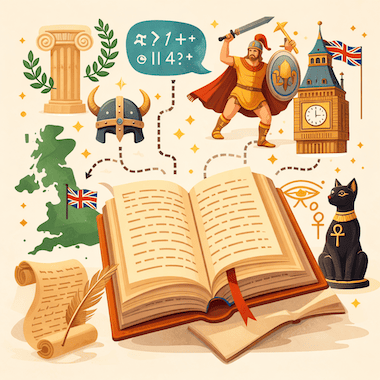
English is a great borrower. Around its old Germanic core, it has taken in words from Latin, French, Old Norse, Greek, Arabic and dozens of other languages. Many words that sound completely ordinary today came from far away, and some changed their meaning beyond recognition on the way.
الإنجليزية لغة كثيرة الاقتراض. فحول نواتها الجرمانية القديمة جمعت كلمات من اللاتينية والفرنسية والنوردية القديمة واليونانية والعربية وعشرات اللغات الأخرى. وكثير من الكلمات التي تبدو اليوم عادية تماماً جاءت من بلاد بعيدة، وتغيّر معنى بعضها في الطريق حتى لم يعد يُعرف.
Each of these words records a moment when peoples met: a conquest, a trade route, a new food on the table. When you say 'salary', 'sky', 'disaster' or 'avocado', you are using words with long and unexpected histories. Here are some of the best stories behind everyday English words, along with a few popular ones that turn out to be myths.
كل كلمة من هذه الكلمات تحفظ لحظة التقت فيها الشعوب: غزواً، أو طريقاً تجارياً، أو طعاماً جديداً على المائدة. فعندما تقول «salary» (راتب) أو «sky» (سماء) أو «disaster» (كارثة) أو «avocado» (أفوكادو)، فأنت تستعمل كلمات لها تاريخ طويل وغير متوقع. وفيما يلي بعض أجمل القصص وراء كلمات الإنجليزية اليومية، إلى جانب بعض الحكايات الشائعة التي يتبيّن أنها مجرد أساطير.
Words from Latin and Ancient Rome
كلمات من اللاتينية وروما القديمة
Latin came into English through several doors: Roman trade, the Church, and later scholars and scientists. The word 'salary' comes from the Latin 'salarium', which is related to 'sal', meaning salt. You may have heard that Roman soldiers were paid in salt. It's a nice story, but no ancient source says so, and historians still don't know exactly what the salarium had to do with salt.
دخلت اللاتينية إلى الإنجليزية من عدة أبواب: التجارة الرومانية، والكنيسة، ثم العلماء والباحثون لاحقاً. فكلمة «salary» (راتب) مأخوذة من اللاتينية «salarium»، وهي مرتبطة بكلمة «sal» أي الملح. ربما سمعت أن الجنود الرومان كانوا يتقاضون أجورهم ملحاً. إنها قصة جميلة، لكن لا يوجد مصدر قديم يذكر ذلك، ولا يعرف المؤرخون حتى اليوم بالضبط ما علاقة الـsalarium بالملح.
'Disaster' reached English in the 1590s, through French, from the Italian 'disastro'. It is built from 'dis-' (bad) and 'astro' (star), from the Latin 'astrum'. A disaster was literally an event under an unlucky star, an idea that comes from astrology. 'January' is named after Janus, the Roman god of doorways and beginnings, who was shown with two faces, one looking back and one looking forward. 'Calendar' comes from 'calendae', the first day of each Roman month, when debts had to be paid.
وصلت كلمة «disaster» (كارثة) إلى الإنجليزية في تسعينيات القرن السادس عشر عن طريق الفرنسية، وأصلها الإيطالية «disastro». وهي مركبة من «dis-» (سيئ) و«astro» (نجم) المأخوذة من اللاتينية «astrum». فالكارثة في الأصل حدث يقع تحت نجم مشؤوم، وهي فكرة مصدرها التنجيم. أما «January» (يناير) فسُمّي على اسم يانوس، إله الأبواب والبدايات عند الرومان، الذي كان يُصوَّر بوجهين، أحدهما ينظر إلى الخلف والآخر إلى الأمام. وكلمة «calendar» (تقويم) مأخوذة من «calendae»، وهو اليوم الأول من كل شهر روماني، حين كان يجب سداد الديون.
Words the Vikings Left Behind
كلمات تركها الفايكنج
Viking raids on Britain began in 793 with an attack on the monastery of Lindisfarne. Over the next century, Danes and Norwegians settled across the north and east of England, and their language, Old Norse, mixed with Old English in everyday life. Because the two languages were related, people borrowed even very basic words from each other.
بدأت غارات الفايكنج على بريطانيا عام 793 بالهجوم على دير ليندسفارن. وفي القرن التالي استقر الدنماركيون والنرويجيون في شمال إنجلترا وشرقها، واختلطت لغتهم، النوردية القديمة، بالإنجليزية القديمة في الحياة اليومية. ولأن اللغتين كانتا متقاربتين، تبادل الناس حتى أبسط الكلمات.
'Sky' comes from the Old Norse 'ský', which meant 'cloud'. 'Window' comes from 'vindauga', literally 'wind eye', and 'knife' from 'knífr'. 'Husband' comes from 'húsbóndi', the master of a house. 'Egg' is Norse too, and it pushed out the older English word 'ey'. Even the pronouns 'they', 'them' and 'their' come from Old Norse. 'Anger' comes from 'angr', which meant grief or sorrow rather than rage.
كلمة «sky» (سماء) من النوردية القديمة «ský» التي كانت تعني «سحابة». و«window» (نافذة) من «vindauga» ومعناها الحرفي «عين الريح»، و«knife» (سكين) من «knífr». و«husband» (زوج) من «húsbóndi» أي سيد البيت. و«egg» (بيضة) نوردية أيضاً، وقد أزاحت الكلمة الإنجليزية الأقدم «ey». بل إن ضمائر الجمع الغائب «they» و«them» و«their» جاءت من النوردية القديمة. أما «anger» (غضب) فمن «angr» التي كانت تعني الحزن والأسى لا الغيظ.
The French Invasion of English
الغزو الفرنسي للإنجليزية
In 1066, William, Duke of Normandy, defeated King Harold at the Battle of Hastings and became king of England. The new nobility spoke Norman French. For about three hundred years, French was the language of the royal court, the law courts and the upper classes, while ordinary people went on speaking English.
في عام 1066 هزم وليام، دوق نورماندي، الملك هارولد في معركة هاستينغز وأصبح ملكاً على إنجلترا. وكان النبلاء الجدد يتحدثون الفرنسية النورماندية. وظلت الفرنسية نحو ثلاثمئة عام لغة البلاط الملكي والمحاكم والطبقات العليا، في حين واصل عامة الناس التحدث بالإنجليزية.
As a result, thousands of French words entered English. Many of them relate to law ('justice', 'judge', 'crime'), government and society ('royal', 'noble', 'servant', 'parliament') and food ('beef', 'pork', 'mutton', 'poultry'). English often kept the old Germanic word for the living animal and took the French word for its meat: 'cow' but 'beef' (French 'boeuf'), 'pig' but 'pork' ('porc'), 'sheep' but 'mutton' ('mouton'). The usual explanation, made famous by Walter Scott's novel 'Ivanhoe' (1819), is that English peasants raised the animals and French-speaking lords ate them. Historians think the real picture was more mixed, but the pattern is clear.
ونتيجة لذلك دخلت الإنجليزية آلاف الكلمات الفرنسية. ويتعلق كثير منها بالقانون («justice» العدالة، «judge» القاضي، «crime» الجريمة)، وبالحكم والمجتمع («royal» ملكي، «noble» نبيل، «servant» خادم، «parliament» برلمان)، وبالطعام («beef» لحم البقر، «pork» لحم الخنزير، «mutton» لحم الضأن، «poultry» الدواجن). وكثيراً ما احتفظت الإنجليزية بالكلمة الجرمانية القديمة للحيوان الحي وأخذت الكلمة الفرنسية للحمه: «cow» (بقرة) لكن «beef» (من الفرنسية «bœuf»)، و«pig» (خنزير) لكن «pork» («porc»)، و«sheep» (خروف) لكن «mutton» («mouton»). والتفسير المعتاد، الذي اشتهر بفضل رواية والتر سكوت «آيفنهو» (1819)، هو أن الفلاحين الإنجليز كانوا يربّون الحيوانات بينما كان السادة الناطقون بالفرنسية يأكلونها. ويرى المؤرخون أن الصورة الحقيقية كانت أكثر تعقيداً، لكن النمط واضح.
Words from Arabic
كلمات من العربية
In the Middle Ages, Baghdad, Cairo and Córdoba were among the world's great centers of science, mathematics and medicine. Many scientific words traveled from Arabic into Latin, often through translations made in Spain and Sicily, and from Latin into English.
في العصور الوسطى كانت بغداد والقاهرة وقرطبة من أكبر مراكز العلم والرياضيات والطب في العالم. وانتقلت كلمات علمية كثيرة من العربية إلى اللاتينية، غالباً عبر ترجمات أُنجزت في إسبانيا وصقلية، ثم من اللاتينية إلى الإنجليزية.
'Alcohol' comes from the Arabic 'al-kuhl', a fine black powder used as eye makeup. Alchemists later used the word for any very pure substance, and in the end it came to mean the strong spirit distilled from wine. 'Algebra' comes from 'al-jabr', 'putting broken parts back together', a word in the title of a book by the Baghdad mathematician al-Khwarizmi, and 'algorithm' comes from his own name. Other words that came into English through Arabic include 'cotton', 'coffee', 'sugar', 'zero', 'cipher' and 'magazine', which first meant a storehouse. 'Assassin' comes from 'hashishiyyin', 'hashish users', an insulting name that enemies gave to the Nizari Ismailis, a medieval group known for killing political leaders.
كلمة «alcohol» (كحول) مأخوذة من العربية «الكُحل»، وهو مسحوق أسود ناعم تُكحَّل به العيون. ثم استعمل الخيميائيون الكلمة لكل مادة شديدة النقاء، وانتهى بها الأمر إلى الدلالة على الروح القوية المقطّرة من النبيذ. و«algebra» (الجبر) من «الجَبْر» أي «جمع الأجزاء المكسورة»، وهي كلمة وردت في عنوان كتاب للرياضي البغدادي الخوارزمي، أما «algorithm» (خوارزمية) فمأخوذة من اسمه نفسه. ومن الكلمات الأخرى التي دخلت الإنجليزية عن طريق العربية «cotton» (قطن) و«coffee» (قهوة) و«sugar» (سكر) و«zero» (صفر) و«cipher» (شفرة، من «صِفر») و«magazine» (مجلة) التي كانت تعني في البداية المخزن، من «مخازن». أما «assassin» (مغتال) فمن «حشيشيين» أي «متعاطو الحشيش»، وهو لقب مهين أطلقه الأعداء على النزاريين الإسماعيليين، وهم جماعة من العصور الوسطى عُرفت باغتيال القادة السياسيين.
Words from the Americas
كلمات من الأمريكتين
After Columbus reached the Caribbean in 1492, Europeans met plants, foods and animals they had never seen, and the words for them. Most of these words came into English through Spanish, from Native American languages such as Nahuatl (the language of the Aztecs), Quechua and Taino. Others, like 'raccoon', 'moose' and 'skunk', came straight from the Algonquian languages of North America.
بعد أن وصل كريستوفر كولومبوس إلى الكاريبي عام 1492، تعرّف الأوروبيون على نباتات وأطعمة وحيوانات لم يروها من قبل، وعلى أسمائها أيضاً. ودخلت معظم هذه الكلمات الإنجليزية عن طريق الإسبانية، من لغات السكان الأصليين مثل الناواتل (لغة الأزتك) والكيتشوا والتاينو. أما كلمات أخرى مثل «raccoon» (راكون) و«moose» (موظ) و«skunk» (ظربان)، فجاءت مباشرة من اللغات الألغونكية في أمريكا الشمالية.
'Avocado' comes from the Nahuatl 'ahuacatl', through the Spanish 'aguacate'. 'Tomato' comes from 'tomatl'. 'Chocolate' is also from Nahuatl, although experts still argue about the exact original word. 'Potato' first meant the sweet potato, from the Taino 'batata'. 'Hurricane' comes from the Taino 'hurakán', and 'barbecue' and 'canoe' probably come from Taino too, through the Spanish 'barbacoa' and 'canoa'. 'Llama' and 'puma' are Quechua words from the Andes.
كلمة «avocado» (أفوكادو) من كلمة «ahuacatl» في لغة الناواتل، عن طريق الإسبانية «aguacate». و«tomato» (طماطم) من «tomatl». و«chocolate» (شوكولاتة) من الناواتل أيضاً، وإن كان الخبراء لا يزالون يختلفون حول الكلمة الأصلية بالضبط. و«potato» (بطاطس) كانت تعني في البداية البطاطا الحلوة، وأصلها كلمة «batata» في لغة التاينو. و«hurricane» (إعصار) من كلمة «hurakán» في التاينو، ويُرجَّح أن «barbecue» (شواء) و«canoe» (زورق الكانو) جاءتا من التاينو أيضاً، عن طريق الإسبانية «barbacoa» و«canoa». أما «llama» (لاما) و«puma» (بوما) فكلمتان من لغة الكيتشوا في جبال الأنديز.
Words with Surprising Stories
كلمات وراءها قصص مدهشة
'Berserk' comes from the Old Norse 'berserkr', probably 'bear shirt'. It was the name for Viking warriors who fought in a wild rage, perhaps dressed in bearskins. 'Clue' is a newer spelling of 'clew', a ball of thread (Old English 'cliewen'). In the Greek myth, Ariadne gives Theseus a ball of thread so he can find his way out of the Minotaur's labyrinth. Over time, a clue came to mean anything that helps you solve a puzzle.
كلمة «berserk» (هائج) من النوردية القديمة «berserkr»، ومعناها على الأرجح «قميص الدب». وكان هذا اسم محاربي الفايكنج الذين يقاتلون في غضب جامح، وربما كانوا يرتدون جلود الدببة. و«clue» (دليل، مفتاح اللغز) تهجئة أحدث لكلمة «clew»، أي كُبّة الخيط (بالإنجليزية القديمة «cliewen»). ففي الأسطورة اليونانية تعطي أريادني ثيسيوس كبّة خيط ليجد طريقه للخروج من متاهة المينوتور. ومع الوقت صارت الكلمة تعني كل ما يساعد على حل لغز.
'Muscle' comes from the Latin 'musculus', 'little mouse', perhaps because a muscle moving under the skin looks like a mouse running under a cloth. 'Hazard' was first the name of a dice game, and the word probably comes from the Arabic 'az-zahr', 'the die'. 'Silly' meant 'happy' or 'blessed' in Old English and slowly drifted to 'innocent' and then to 'foolish'. Some famous stories, though, are simply made up. 'Posh' does not stand for 'port out, starboard home', and 'sincere' does not come from the Latin 'sine cera', 'without wax'. There is no evidence for either story.
كلمة «muscle» (عضلة) من اللاتينية «musculus» أي «فأر صغير»، ربما لأن العضلة وهي تتحرك تحت الجلد تشبه فأراً يركض تحت قطعة قماش. وكانت «hazard» (خطر) في الأصل اسماً للعبة نرد، ويُرجَّح أن الكلمة جاءت من العربية «الزهر» أي «النرد». أما «silly» (سخيف، أحمق) فكانت تعني في الإنجليزية القديمة «سعيد» أو «مبارك»، ثم انزلق معناها ببطء إلى «بريء» ثم إلى «أحمق». غير أن بعض القصص الشهيرة مختلقة ببساطة. فكلمة «posh» (أنيق، راقٍ) ليست اختصاراً لعبارة «port out, starboard home» (الجهة اليسرى ذهاباً واليمنى إياباً)، و«sincere» (صادق) لا تأتي من اللاتينية «sine cera» أي «بلا شمع». ولا يوجد دليل على أيّ من القصتين.
How New Words Are Born Today
كيف تولد الكلمات الجديدة اليوم
English is still taking in new words. Technology alone has brought 'app', 'blog', 'emoji' (borrowed from Japanese) and 'selfie', as well as the verbs 'to tweet' and 'to google'. In 2013, Oxford Dictionaries named 'selfie' its Word of the Year.
لا تزال الإنجليزية تستقبل كلمات جديدة. فالتكنولوجيا وحدها جاءت بكلمات «app» (تطبيق) و«blog» (مدونة) و«emoji» (المأخوذة من اليابانية) و«selfie» (صورة ذاتية)، إلى جانب الفعلين «to tweet» (يغرّد) و«to google» (يبحث في غوغل). وفي عام 2013 اختارت قواميس أكسفورد كلمة «selfie» كلمةَ العام.
A few new words are invented from nothing, but most follow old patterns. Some are blends, like 'brunch' from 'breakfast' and 'lunch'. Others are borrowed, like 'karaoke' from Japanese or 'schadenfreude' from German. Old words also get new jobs: a 'cloud' now stores data, and a 'mouse' sits next to your keyboard. Nobody can say exactly how many words English has, because it depends on how you count, but the Oxford English Dictionary alone describes more than half a million words and phrases.
قليل من الكلمات الجديدة يُخترع من العدم، أما معظمها فيتبع أنماطاً قديمة. فبعضها كلمات منحوتة مثل «brunch» من «breakfast» (فطور) و«lunch» (غداء). وبعضها مقترض، مثل «karaoke» من اليابانية أو «schadenfreude» (الشماتة) من الألمانية. وتحصل الكلمات القديمة أيضاً على وظائف جديدة: فـ«cloud» (سحابة) تخزّن اليوم البيانات، و«mouse» (فأرة) تقبع بجانب لوحة المفاتيح. ولا يستطيع أحد أن يحدد بالضبط عدد كلمات الإنجليزية، لأن ذلك يتوقف على طريقة العدّ، لكن قاموس أكسفورد للغة الإنجليزية وحده يشرح أكثر من نصف مليون كلمة وعبارة.
Word Origins at a Glance
أصول كلمات في لمحة
'Cereal' comes from Ceres, the Roman goddess of farming and grain.
كلمة «cereal» (حبوب الإفطار) مأخوذة من سيريس، إلهة الزراعة والحبوب عند الرومان.
'Panic' comes from Pan, the Greek god of the wild, who was said to fill travelers with sudden, groundless fear.
كلمة «panic» (ذعر) مأخوذة من بان، إله البرية عند الإغريق، الذي قيل إنه كان يملأ المسافرين بخوف مفاجئ لا مبرر له.
'Jeans' comes from 'Gênes', the French name for Genoa, the Italian port that gave its name to a strong cotton cloth.
كلمة «jeans» (جينز) مأخوذة من «Gênes»، الاسم الفرنسي لمدينة جنوة، الميناء الإيطالي الذي أعطى اسمه لقماش قطني متين.
'Sandwich' is named after John Montagu, 4th Earl of Sandwich, who reportedly ate meat between slices of bread so he could stay at the card table.
كلمة «sandwich» (شطيرة) سُمّيت على اسم جون مونتاغو، إيرل ساندويتش الرابع، الذي يُروى أنه كان يأكل اللحم بين شريحتين من الخبز حتى لا يترك طاولة الورق.
'Dunce' comes from John Duns Scotus, a medieval thinker whose followers were mocked as slow and stubborn in the 1500s.
كلمة «dunce» (بليد) مأخوذة من اسم جون دونس سكوتس، وهو مفكر من العصور الوسطى سُخر من أتباعه في القرن السادس عشر بوصفهم بطيئي الفهم وعنيدين.
'Robot' first appeared in Karel Čapek's play 'R.U.R.' (1920). His brother Josef suggested it, from the Czech 'robota', 'forced labor'.
ظهرت كلمة «robot» (روبوت) لأول مرة في مسرحية كارل تشابيك «R.U.R.» (1920). وقد اقترحها أخوه يوزف، انطلاقاً من الكلمة التشيكية «robota» أي «العمل القسري».
History in Every Word
التاريخ في كل كلمة
Every English word keeps traces of the people who used it before us. Roman law and Roman gods, Viking settlers, Norman lords, Arab scholars and Aztec cooks have all left something in the words we use every day.
تحمل كل كلمة إنجليزية آثار الناس الذين استعملوها قبلنا. فالقانون الروماني وآلهة روما، والمستوطنون الفايكنج، والسادة النورمانديون، والعلماء العرب، والطهاة الأزتك، تركوا جميعاً شيئاً في الكلمات التي نستعملها كل يوم.
The study of word origins is called etymology, and a good dictionary will tell you the history of almost any word. The next time an ordinary word catches your attention, look it up. The real story is often more surprising than the popular one.
يُسمّى علم أصول الكلمات علم التأثيل أو الإيتيمولوجيا، والقاموس الجيد يخبرك بتاريخ أي كلمة تقريباً. وفي المرة القادمة التي تلفت فيها انتباهك كلمة عادية، ابحث عنها. فالقصة الحقيقية غالباً ما تكون أكثر إدهاشاً من الرواية الشائعة.
في التطبيق المجاني يمكنك الاستماع إلى هذا النص والضغط على أي كلمة لمعرفة معناها.