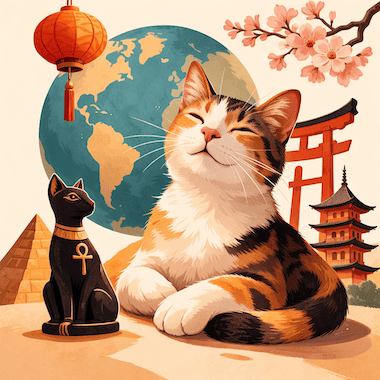
Cats and Humans
القطط والبشر
 Learn Englishتطبيق مجاني فيه نطق صوتي واختبارات وكتب حقيقية
كلمات مهمة
- domesticatedأليف
- fascinationافتتان
- affectionateحنين
- mysteriousغامض
- rodentقارض
- descendانحدر
- revereوقر
- fertilityخصوبة
- mourningحداد
- witchcraftسحر
- persecutionاضطهاد
- plagueطاعون
كل الكلمات (30)
- consequenceعاقبة
- charmتميمة
- folkloreفلكلور
- supernaturalخارق للطبيعة
- philosophicalفلسفي
- companionرفيق
- frequencyتردد
- phenomenonظاهرة
- anxietyقلق
- behaviorسلوك
- vocalizationنطق
- endearingمحبب
- reflexرد فعل
- approximatelyتقريباً
- clowderمجموعة قطط
- kittenهريرة
- enduringخالد
- domesticityألفة
Cats share our homes, our sofas and quite often our beds. They can be independent one minute and affectionate the next, and even after thousands of years at our side they still seem a little wild. Hundreds of millions of cats live as pets around the world, and online they are everywhere, starring in an endless stream of videos and memes.
تشاركنا القطط بيوتنا وأرائكنا، وكثيرًا ما تشاركنا أسرّتنا أيضًا. قد تكون مستقلة في لحظة وودودة في اللحظة التالية، وحتى بعد آلاف السنين إلى جانبنا ما زال فيها شيء من البرية. ويعيش مئات الملايين من القطط حيوانات أليفة حول العالم، أما على الإنترنت فهي في كل مكان، تتصدر سيلًا لا ينقطع من مقاطع الفيديو والميمات.
How did a small desert hunter end up in so many human homes? The story runs from the first farming villages to Egyptian temples, medieval festivals and Japanese shops, and finally to our phones. Along the way, it says a lot about what people want from the animals they live with.
كيف انتهى المطاف بصياد صغير من الصحراء في هذا العدد الكبير من بيوت البشر؟ تمتد القصة من أولى القرى الزراعية إلى المعابد المصرية والاحتفالات الأوروبية في العصور الوسطى والمتاجر اليابانية، ثم تصل أخيرًا إلى هواتفنا. وهي تكشف في الطريق الكثير عمّا يريده الناس من الحيوانات التي يعيشون معها.
Where Domestic Cats Came From
من أين جاءت القطط المنزلية
Dogs were shaped by humans for jobs like hunting and herding. Cats, most scientists believe, largely domesticated themselves. About 10,000 years ago, people in the Middle East began farming and storing grain, and the grain attracted mice and rats. The mice, in turn, attracted wild cats.
شكّل الإنسان الكلاب لأداء مهام مثل الصيد ورعي القطعان. أما القطط، فيرى معظم العلماء أنها استأنست نفسها إلى حد كبير. قبل نحو 10,000 عام بدأ الناس في الشرق الأوسط يزرعون الأرض ويخزنون الحبوب، فجذبت الحبوب الفئران والجرذان، وجذبت الفئران بدورها القطط البرية.
Farmers were happy to let the cats stay, since they kept pests down. Over many generations, the cats that were less afraid of people did better in the villages, and slowly they became tamer. Genetic studies show that all domestic cats descend from the Near Eastern wildcat, Felis silvestris lybica. Neither side was really in charge: both simply gained from the arrangement.
رحّب المزارعون ببقاء القطط لأنها كانت تحدّ من الآفات. وعلى مدى أجيال كثيرة، عاشت القطط الأقل خوفًا من البشر حياة أفضل في القرى، وأصبحت شيئًا فشيئًا أكثر ألفة. وتُظهر الدراسات الجينية أن جميع القطط المنزلية تنحدر من القط البري الشرق أوسطي، Felis silvestris lybica. لم يكن أي من الطرفين صاحب الأمر حقًا، بل كان كلاهما ببساطة مستفيدًا من هذا الترتيب.
Sacred Cats in Ancient Egypt
القطط المقدسة في مصر القديمة
Few ancient peoples loved cats as much as the Egyptians. Cats lived in Egyptian homes from early times, hunting mice and snakes, and over the centuries they became linked with the gods. The goddess Bastet, who protected homes, mothers and children, was first shown as a lioness. From around 1000 BCE she usually appeared as a cat or as a woman with a cat's head, and her temple at Bubastis became the center of a huge cat cult.
قلّما أحب شعب قديم القطط كما أحبها المصريون. فقد عاشت القطط في البيوت المصرية منذ زمن مبكر، تصطاد الفئران والأفاعي، ومع مرور القرون ارتبطت بالآلهة. وكانت الإلهة باستت، حامية البيوت والأمهات والأطفال، تُصوَّر في البداية على هيئة لبؤة. ومنذ نحو عام 1000 قبل الميلاد صارت تظهر عادة على هيئة قطة أو امرأة برأس قطة، وأصبح معبدها في بوباستيس مركزًا لعبادة واسعة للقطط.
Greek writers who visited Egypt reported that killing a cat, even by accident, could cost a person their life, and that when a family cat died, everyone in the house shaved their eyebrows in mourning. Cats were mummified and buried in special cemeteries. In 1888 a farmer at Beni Hasan found one that held hundreds of thousands of cat mummies. Many tons of them were shipped to England and ground into fertilizer.
روى كتّاب يونانيون زاروا مصر أن قتل قطة، ولو عن غير قصد، قد يكلّف المرء حياته، وأن أهل البيت جميعًا كانوا يحلقون حواجبهم حدادًا إذا ماتت قطة العائلة. وكانت القطط تُحنَّط وتُدفن في مقابر خاصة بها. وفي عام 1888 عثر فلاح في بني حسن على إحدى هذه المقابر، وكانت تضم مئات الآلاف من مومياوات القطط. وشُحنت أطنان كثيرة منها إلى إنجلترا وطُحنت لتصبح سمادًا.
Cats in Europe: From Helpers to Suspects
القطط في أوروبا: من مساعدة إلى مشتبه بها
In medieval Europe, cats were valued for catching mice, but many people also saw them as creatures of the night, linked with witches and the devil. Black cats had the worst reputation. In some towns, killing cats even became part of public festivals: in Paris, cats were burned in the Midsummer bonfire, and in Ypres, in Flanders, live cats were thrown from a tower until 1817.
في أوروبا في العصور الوسطى، كانت القطط موضع تقدير لأنها تصطاد الفئران، لكن كثيرًا من الناس رأوا فيها أيضًا مخلوقات ليلية مرتبطة بالساحرات والشيطان. وكانت القطط السوداء الأسوأ سمعة. وفي بعض المدن صار قتل القطط جزءًا من الاحتفالات الشعبية: ففي باريس كانت القطط تُحرق في نار عيد القديس يوحنا في منتصف الصيف، وفي مدينة إيبر في الفلاندر كانت القطط الحية تُرمى من أعلى برج حتى عام 1817.
A popular story says that Europeans killed so many cats that rats took over and spread the Black Death in the 14th century. Historians find little evidence for this. The plague reached Europe in 1347, while the great witch hunts came much later, mostly between about 1450 and 1750. Cats can also catch the plague themselves.
تقول قصة شائعة إن الأوروبيين قتلوا عددًا هائلًا من القطط حتى تكاثرت الجرذان ونشرت الموت الأسود في القرن الرابع عشر. لكن المؤرخين لا يجدون أدلة تُذكر على ذلك. فقد وصل الطاعون إلى أوروبا عام 1347، أما حملات مطاردة الساحرات الكبرى فجاءت بعد ذلك بكثير، ومعظمها بين نحو 1450 و1750. ثم إن القطط نفسها قد تُصاب بالطاعون.
Cats in Japan and China
القطط في اليابان والصين
In Japan, cats have a much happier reputation. The maneki-neko, or 'beckoning cat', is a small figure of a cat with one paw raised, as if waving customers inside. It sits by the door of many shops and restaurants to bring good business, and it has become a familiar symbol of Japan around the world.
في اليابان تتمتع القطط بسمعة أطيب بكثير. فالمانيكي نيكو، أي «القطة التي تدعو»، تمثال صغير لقطة ترفع إحدى قائمتيها الأماميتين كأنها تدعو الزبائن إلى الدخول. ويوضع عند أبواب كثير من المتاجر والمطاعم لجلب الرزق، وقد أصبح رمزًا مألوفًا لليابان في أنحاء العالم.
Japanese folklore also has darker cats. The bakeneko is a cat that can change its shape, often into a person, and the nekomata is a cat demon with a tail split in two. In China, cats appear in paintings as wishes for a long life. The word for cat, mao, sounds like the first half of maodie, an old word for very old age, so a picture of a cat with a butterfly (die) means 'may you live to a great age'.
وفي الحكايات الشعبية اليابانية قطط أكثر قتامة أيضًا. فالباكينيكو قطة تستطيع أن تغيّر شكلها، وكثيرًا ما تتحول إلى إنسان، والنيكوماتا شيطان على هيئة قطة ذيله مشقوق إلى قسمين. أما في الصين فتظهر القطط في اللوحات تمنيًا بطول العمر. فكلمة القطة «ماو» تشبه في نطقها النصف الأول من كلمة «ماوديه»، وهي كلمة قديمة تعني الشيخوخة المتقدمة، ولذلك فإن صورة قطة مع فراشة («ديه») تعني «عسى أن تعيش طويلًا جدًا».
Cats in Literature and Art
القطط في الأدب والفن
Writers have loved cats for a long time. Lewis Carroll created the grinning Cheshire Cat in Alice's Adventures in Wonderland (1865), a cat that slowly disappears until only its smile is left. In 1939 T. S. Eliot published Old Possum's Book of Practical Cats, a collection of funny poems that Andrew Lloyd Webber turned into the hit musical Cats in 1981.
يحب الكتّاب القطط منذ زمن طويل. فقد ابتكر لويس كارول قط شيشاير المبتسم في «مغامرات أليس في بلاد العجائب» (1865)، وهو قط يختفي شيئًا فشيئًا حتى لا يبقى منه سوى ابتسامته. وفي عام 1939 نشر ت. س. إليوت «كتاب القطط العملية للعجوز بوسوم»، وهو مجموعة من القصائد المرحة حوّلها أندرو لويد ويبر عام 1981 إلى المسرحية الغنائية الناجحة «كاتس».
Artists have been just as keen. A cat hunts birds in a wall painting from the tomb of Nebamun in Egypt, and the Japanese artist Utagawa Kuniyoshi filled his woodblock prints with cats. In Paris, Édouard Manet put a black cat at the foot of the bed in his painting Olympia, and Pierre Bonnard painted cats in many of his quiet scenes of home life.
ولم يكن الرسامون أقل حماسة. ففي رسم جداري من مقبرة نب آمون في مصر قطة تصطاد الطيور، وقد ملأ الفنان الياباني أوتاغاوا كونييوشي مطبوعاته الخشبية بالقطط. وفي باريس وضع إدوار مانيه قطة سوداء عند طرف السرير في لوحته «أولمبيا»، ورسم بيير بونار القطط في كثير من مشاهده الهادئة للحياة المنزلية.
The Psychology of Cat Ownership
سيكولوجية اقتناء القطط
Psychologists have long asked why so many people feel close to their cats. Research suggests that living with a pet can lower stress and blood pressure. One large American study published in 2008 found that people who had owned a cat were less likely to die of a heart attack, although it could not prove that the cats were the reason. Some researchers have also suggested that the low sound of a purr, at about 25 to 150 Hz, helps with healing, but this has not been proven.
طالما تساءل علماء النفس عن سبب شعور كثير من الناس بهذا القرب من قططهم. وتشير الأبحاث إلى أن العيش مع حيوان أليف قد يخفف التوتر ويخفض ضغط الدم. وقد وجدت دراسة أمريكية واسعة نُشرت عام 2008 أن من سبق لهم اقتناء قطة كانوا أقل عرضة للوفاة بنوبة قلبية، وإن لم تستطع أن تثبت أن القطط هي السبب. واقترح بعض الباحثين كذلك أن صوت الخرخرة المنخفض، الذي يتراوح بين 25 و150 هرتز تقريبًا، يساعد على الشفاء، لكن ذلك لم يثبت بعد.
Cats also give people company without needing constant attention the way dogs do. They don't need walks, and they cope well in small apartments, which suits people with busy lives. Some psychologists add that a cat's affection feels special because it has to be earned: when a cat chooses your lap, it feels like a compliment.
كما تمنح القطط الناس الرفقة دون أن تطلب اهتمامًا دائمًا كما تفعل الكلاب. فهي لا تحتاج إلى نزهات، وتتأقلم جيدًا مع الشقق الصغيرة، وهذا يناسب أصحاب الحياة المزدحمة. ويضيف بعض علماء النفس أن مودة القطة تبدو مميزة لأنها تحتاج إلى أن تُكتسب: فحين تختار القطة حضنك، تشعر كأنها تُطريك.
Cats and the Internet
القطط والإنترنت
Cats found a new stage on the internet. Early hits like Keyboard Cat, a cat that seems to play an electric keyboard, spread across YouTube in the late 2000s. In the 2010s Grumpy Cat and Lil Bub became celebrities, with millions of fans, books and even films of their own.
وجدت القطط على الإنترنت مسرحًا جديدًا. فقد انتشرت أولى المقاطع الناجحة، مثل «كيبورد كات»، وهو قط يبدو كأنه يعزف على لوحة مفاتيح موسيقية كهربائية، على يوتيوب في أواخر العقد الأول من القرن الحادي والعشرين. وفي العقد التالي أصبح «غرامبي كات» و«ليل باب» من المشاهير، ولهما ملايين المعجبين وكتب، بل وأفلام خاصة بهما.
In 2015 a researcher at Indiana University asked nearly 7,000 people about watching cat videos. Most said the videos gave them more energy and made them feel happier and less anxious. Seen this way, internet cats are just the newest chapter of a very old friendship: people once kept cats in temples, and now they keep them on their phones.
في عام 2015 سألت باحثة من جامعة إنديانا نحو 7,000 شخص عن تجربتهم مع مشاهدة مقاطع القطط. وقال معظمهم إن هذه المقاطع تمنحهم طاقة أكبر وتجعلهم أكثر سعادة وأقل قلقًا. ومن هذه الزاوية، ليست قطط الإنترنت إلا أحدث فصل في صداقة قديمة جدًا: فقد كان الناس يحتفظون بالقطط في المعابد، وها هم اليوم يحتفظون بها في هواتفهم.
The Science of Cat Behavior
علم سلوك القطط
Scientists still have a lot to learn about how cats behave. With each other, cats communicate mostly through body language and scent, along with hisses, growls and purrs. Adult cats rarely meow at other cats. Kittens meow to their mothers, but grown cats seem to keep the meow mainly for talking to humans.
ما زال أمام العلماء الكثير ليتعلموه عن سلوك القطط. فالقطط تتواصل فيما بينها غالبًا بلغة الجسد والرائحة، إلى جانب الفحيح والهرير والخرخرة. ونادرًا ما تموء القطط البالغة لقطط أخرى. فالصغار تموء لأمهاتها، أما القطط البالغة فيبدو أنها تحتفظ بالمواء أساسًا للتحدث إلى البشر.
Other habits are harder to explain: knocking things off tables, squeezing into boxes that are far too small, bringing dead mice to their owners as 'gifts', or racing around the house in the middle of the night. Some of these may come from hunting instincts or a need for safe, tight spaces, but many questions are still open.
ومن عاداتها ما يصعب تفسيره أكثر: إسقاط الأشياء عن الطاولات، والانحشار في صناديق أصغر منها بكثير، وإحضار فئران ميتة لأصحابها «هدايا»، أو الركض في أرجاء البيت في منتصف الليل. وقد يرجع بعض ذلك إلى غريزة الصيد أو إلى الحاجة إلى أماكن ضيقة وآمنة، لكن أسئلة كثيرة ما زالت بلا جواب.
Quick Facts About Cats
حقائق سريعة عن القطط
Cats sleep about 12 to 16 hours a day.
تنام القطط ما بين 12 و16 ساعة في اليوم تقريبًا.
A group of cats is called a 'clowder', and a group of kittens is called a 'kindle'.
في الإنجليزية تُسمى مجموعة القطط «clowder»، وتُسمى مجموعة الهريرات «kindle».
The oldest known burial of a cat with a human, about 9,500 years old, was found in Cyprus.
أقدم دفن معروف لقطة مع إنسان يعود إلى نحو 9,500 عام، وقد عُثر عليه في قبرص.
Cats can twist in the air to land on their feet, a skill called the 'righting reflex', but they don't always land safely.
تستطيع القطط أن تستدير في الهواء لتهبط على أقدامها، وتُسمى هذه المهارة «منعكس التعديل»، لكنها لا تهبط دائمًا بسلام.
The loudest purr on record belongs to Merlin, a cat from England, whose purr measured 67.8 decibels.
أعلى خرخرة مسجلة تعود إلى قط من إنجلترا اسمه ميرلين، إذ بلغت خرخرته 67.8 ديسيبل.
There are more than 500 million domestic cats in the world, including strays.
يوجد في العالم أكثر من 500 مليون قطة منزلية، بما فيها القطط الشاردة.
Ten Thousand Years Together
عشرة آلاف عام معًا
From Egyptian temples to today's living rooms and social media feeds, cats have lived alongside people for about 10,000 years. They have been worshipped and feared, burned at festivals and turned into lucky charms, but people have never stopped keeping them.
من المعابد المصرية إلى غرف الجلوس ومواقع التواصل الاجتماعي اليوم، تعيش القطط إلى جانب البشر منذ نحو 10,000 عام. لقد عُبدت وخيف منها، وأُحرقت في الاحتفالات وتحولت إلى تمائم للحظ، لكن الناس لم يتوقفوا يومًا عن اقتنائها.
Unlike most domestic animals, the cat still does much as it pleases. It hunts, sleeps and chooses its friends, and it stays with us because it wants to. After ten thousand years, people still seem to like it that way.
وعلى خلاف معظم الحيوانات الأليفة، ما زالت القطة تفعل إلى حد بعيد ما يحلو لها. فهي تصطاد وتنام وتختار أصدقاءها بنفسها، وتبقى معنا لأنها تريد ذلك. وبعد عشرة آلاف عام، يبدو أن الناس ما زالوا راضين بذلك.
في التطبيق المجاني يمكنك الاستماع إلى هذا النص والضغط على أي كلمة لمعرفة معناها.