اللهجات العربية
Arabic Dialects
Key words
- اللهجةdialect
- الفصحىStandard Arabic
- العاميةcolloquial Arabic
- الدارجةDarija, Maghrebi Arabic
- الجرائدnewspapers
- الأخبارnews
- الشارعstreet
- الأصدقاءfriends
- الازدواجية اللغويةdiglossia
- القواعدgrammar rules
- الحاسوبcomputer
- الهاتفtelephone
All 25 words
- المذيعannouncer
- التفاهمmutual understanding
- كيف حالكhow are you?
- الحمد للهthank God
- إن شاء اللهGod willing
- مرحباhello
- أريدI want
- الآنnow
- الأصواتsounds
- النطقpronunciation
- المسلسلاتTV series
- المبتدئbeginner
- خطوة بعد خطوةstep by step
يتكلّم العربية اليوم نحو أربعمئة مليون إنسان، من المغرب على المحيط الأطلسي إلى العراق والخليج. لكنّ المسافر بين هذه البلاد يلاحظ شيئًا غريبًا: الناس لا يتكلّمون في الشارع كما يكتبون في الجرائد.
Today about four hundred million people speak Arabic, from Morocco on the Atlantic Ocean to Iraq and the Gulf. But a traveller between these countries notices something strange: people do not speak in the street the way they write in the newspapers.
في هذه المقالة نتعرّف على الفرق بين الفصحى والعامية، وعلى أشهر اللهجات العربية، وعلى بعض الكلمات والأصوات التي تختلف من بلد إلى بلد، ثم نرى ماذا يتعلّم من يبدأ بالعربية.
In this article we look at the difference between Fusha and the spoken dialects, at the best-known Arabic dialects, and at some words and sounds that change from country to country. Then we see what someone who is starting Arabic should learn.
لغتان في لغة واحدة
Two languages in one
يعيش العربي كلّ يوم مع شكلين من لغته. الشكل الأول هو الفصحى، وهي لغة الكتب والأخبار والمدرسة. والشكل الثاني هو العامية، وهي لغة البيت والسوق والأصدقاء.
Every day Arabs live with two forms of their language. The first is Fusha, the language of books, the news and school. The second is the dialect, the language of home, the market and friends.
ويسمّي علماء اللغة هذه الحالة «الازدواجية اللغوية»، وهي موجودة أيضًا في لغات أخرى، لكنها في العربية واضحة جدًّا وقديمة جدًّا.
Linguists call this situation "diglossia". It exists in other languages too, but in Arabic it is very clear and very old.
فالطفل العربي يتعلّم العامية من أمّه وأبيه، ثم يتعلّم الفصحى في المدرسة، كأنها لغة قريبة منه، لكنها ليست لغة البيت.
An Arab child learns the dialect from their mother and father, and then learns Fusha at school, as if it were a language close to them, but not the language of home.
الفصحى
Fusha
الفصحى هي امتداد للعربية التي نزل بها القرآن، وكُتب بها الشعر القديم. وقد بقيت قواعدها الأساسية ثابتة تقريبًا منذ أكثر من ألف وأربعمئة سنة.
Fusha is the continuation of the Arabic in which the Quran was revealed and in which the old poetry was written. Its basic rules have stayed almost the same for more than fourteen hundred years.
واليوم تُستعمل الفصحى في الكتب والجرائد ونشرات الأخبار والخطب الرسمية والمؤتمرات. ويسمّيها بعض الباحثين «العربية الفصحى المعاصرة»، لأنها أضافت كلمات جديدة كثيرة، مثل «الحاسوب» و«الهاتف».
Today Fusha is used in books, newspapers, news broadcasts, official speeches and conferences. Some researchers call it "Modern Standard Arabic", because it has added many new words, such as "hasub" (computer) and "hatif" (telephone).
ومن مزايا الفصحى الكبيرة أنها واحدة في كلّ البلاد العربية تقريبًا. فالجريدة في الرباط تُكتب بلغة يفهمها القارئ في بغداد، والمذيع في دمشق يفهمه المشاهد في الخرطوم.
One of Fusha's great advantages is that it is the same in almost every Arab country. A newspaper in Rabat is written in a language a reader in Baghdad understands, and a newsreader in Damascus is understood by a viewer in Khartoum.
العامية
The dialect
أما العامية فهي اللغة التي يتكلّمها الناس في حياتهم اليومية، ولكلّ بلد عاميته، بل لكلّ مدينة أحيانًا طريقتها الخاصة في الكلام.
The dialect, al-ammiyya, is the language people speak in their everyday lives. Every country has its own dialect, and sometimes every city even has its own way of speaking.
والعامية ليست «عربية خاطئة» كما يظنّ بعض الناس، بل هي عربية تطوّرت مع الزمن، مثلما تطوّرت اللاتينية فصارت الإيطالية والإسبانية والفرنسية.
The dialect is not "wrong Arabic", as some people think. It is Arabic that has developed over time, just as Latin developed and became Italian, Spanish and French.
والعاميات أبسط من الفصحى في بعض القواعد: فهي لا تستعمل حركات الإعراب في آخر الكلمات، وتختصر كثيرًا من الكلمات الطويلة. لكنّ لها قواعدها وجمالها، وفيها شعر وأغانٍ وأمثال كثيرة.
The dialects are simpler than Fusha in some rules: they do not use case endings at the end of words, and they shorten many long words. But they have their own rules and their own beauty, and they have a great deal of poetry, songs and proverbs.
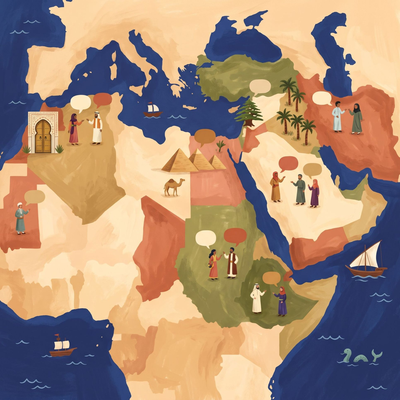
خريطة اللهجات
The map of the dialects
يقسم الباحثون اللهجات العربية عادة إلى مجموعات كبيرة. فهناك اللهجات المصرية والسودانية، ولهجات الشام في سوريا ولبنان والأردن وفلسطين، ولهجات العراق، ولهجات الخليج والجزيرة العربية، ولهجات اليمن.
Researchers usually divide the Arabic dialects into large groups. There are the Egyptian and Sudanese dialects, the Levantine dialects of Syria, Lebanon, Jordan and Palestine, the dialects of Iraq, the dialects of the Gulf and the Arabian Peninsula, and the dialects of Yemen.
وفي غرب العالم العربي توجد اللهجات المغاربية في المغرب والجزائر وتونس وليبيا، وتُسمّى هناك غالبًا «الدارجة».
In the west of the Arab world are the Maghrebi dialects of Morocco, Algeria, Tunisia and Libya, which there are usually called "darija".
وكلّما ابتعدت لهجتان في المكان، صار التفاهم بينهما أصعب. فالمصري والسوري يتفاهمان بسهولة، أما المغربي والعراقي فقد يحتاجان إلى الفصحى، أو إلى بعض الصبر!
The farther apart two dialects are on the map, the harder it is to understand each other. An Egyptian and a Syrian understand each other easily, but a Moroccan and an Iraqi may need Fusha, or a little patience!
كيف حالك؟
How are you?
لنأخذ مثالًا بسيطًا: السؤال «كيف حالك؟». في القاهرة يقول الناس «إزّيَّك؟»، وفي دمشق وبيروت يقولون «كيفك؟».
Let's take a simple example: the question "How are you?". In Cairo people say "izzayyak?", and in Damascus and Beirut they say "kifak?".
وفي الكويت والعراق يقولون «شلونك؟»، أي «ما لونك؟»، وكأنّ لون الوجه يدلّ على الحال. وفي المغرب يقولون غالبًا «لاباس؟» أو «كي داير؟».
In Kuwait and Iraq they say "shlonak?", that is, "what is your colour?", as if the colour of your face showed how you are. In Morocco they usually say "labas?" or "ki dayer?".
وكلّ هذه الأسئلة لها الجواب نفسه تقريبًا في كلّ مكان: «الحمد لله»، وهي عبارة يفهمها كلّ عربي في كلّ بلد.
And all these questions have almost the same answer everywhere: "al-hamdu lillah" (praise be to God), a phrase every Arab understands in every country.
ماذا تريد الآن؟
What do you want now?
والكلمات اليومية الصغيرة هي التي تختلف أكثر من غيرها. فكلمة «ماذا» تصبح «إيه» في مصر، و«شو» في الشام، و«شنو» في العراق والخليج، و«أش» أو «شنو» في المغرب.
It is the small everyday words that differ most. The word "madha" (what) becomes "eh" in Egypt, "shu" in the Levant, "shinu" in Iraq and the Gulf, and "ash" or "shnu" in Morocco.
وكلمة «أريد» تصبح «عايز» في مصر، و«بدّي» في الشام، و«أبغى» في الخليج، و«بغيت» في المغرب. ولكلّ واحدة منها أصل قديم في العربية.
The word "urid" (I want) becomes "ayiz" in Egypt, "biddi" in the Levant, "abgha" in the Gulf and "bghit" in Morocco. Each of them has an old origin in Arabic.
أما كلمة «الآن» فهي «دلوقتي» في مصر، و«هلّق» في الشام، و«هسّه» في العراق، و«الحين» في الخليج، و«دابا» في المغرب. فإذا سمعت إحدى هذه الكلمات، عرفت غالبًا من أين جاء المتكلّم!
As for the word "al-an" (now), it is "dilwa'ti" in Egypt, "halla'" in the Levant, "hassa" in Iraq, "al-hin" in the Gulf and "daba" in Morocco. So if you hear one of these words, you can usually tell where the speaker comes from!
حرف القاف
The letter qaf
والأصوات أيضًا تختلف. ومن أشهر الأمثلة حرف القاف. ففي الفصحى يُلفظ القاف من آخر الحلق، لكنه في القاهرة ودمشق وبيروت يصبح همزة في كلام الناس، فيقولون «ألب» بدل «قلب».
Sounds differ too. One of the best-known examples is the letter qaf. In Fusha, qaf is pronounced at the back of the throat, but in the everyday speech of Cairo, Damascus and Beirut it becomes a glottal stop, so people say "alb" instead of "qalb" (heart).
وفي الخليج وعند البدو في كثير من البلاد يُلفظ القاف مثل حرف g في كلمة go الإنجليزية، فيقولون «گلب».
In the Gulf, and among Bedouins in many countries, qaf is pronounced like the g in the English word "go", so they say "galb".
ولذلك يكفي أحيانًا أن تسمع كلمة «قال» من فم شخص لتعرف من أين هو: «آل» في المدينة المصرية أو الشامية، و«گال» في الخليج والبادية، و«قال» عند من يتكلّم الفصحى.
That is why sometimes it is enough to hear the word "qal" (he said) from someone's mouth to know where they are from: "al" in an Egyptian or Levantine city, "gal" in the Gulf and the desert, and "qal" from someone speaking Fusha.
حرف الجيم
The letter jim
وحرف الجيم كذلك له أكثر من صوت. ففي مصر يُلفظ مثل حرف g، فيقولون «جَمَل» بصوت يشبه gamal. وفي الشام يُلفظ صوتًا ناعمًا مثل الجيم في كلمة journal الفرنسية.
The letter jim also has more than one sound. In Egypt it is pronounced like a g, so the word for camel sounds like "gamal". In the Levant it is pronounced softly, like the j in the French word "journal".
وفي بعض لهجات الخليج يتحوّل الجيم إلى ياء، فيقولون «ريّال» بدل «رجّال»، أي رجل، و«دياية» بدل «دجاجة».
In some Gulf dialects jim turns into y, so people say "rayyal" instead of "rajjal" (man), and "diyaya" instead of "dajaja" (chicken).
لهجة يفهمها الجميع
A dialect everyone understands
اللهجة المصرية هي أكثر اللهجات فهمًا في العالم العربي. والسبب الأكبر هو السينما والتلفزيون والأغاني، فقد كانت القاهرة طوال القرن العشرين عاصمة الفنّ العربي.
The Egyptian dialect is the most widely understood dialect in the Arab world. The biggest reason is cinema, television and songs: throughout the twentieth century Cairo was the capital of Arab art.
فقد كبرت أجيال كاملة من المغرب إلى الخليج وهي تشاهد الأفلام المصرية، وتسمع أغاني أمّ كلثوم وعبد الحليم حافظ، فتعلّمت فهم المصرية دون دروس.
Whole generations from Morocco to the Gulf grew up watching Egyptian films and listening to the songs of Umm Kulthum and Abdel Halim Hafez, and so they learned to understand Egyptian without lessons.
وفي العقود الأخيرة انتشرت أيضًا لهجات الشام عن طريق المسلسلات التلفزيونية، ولهجات الخليج عن طريق القنوات ووسائل التواصل.
In recent decades the Levantine dialects have also spread through television series, and the Gulf dialects through TV channels and social media.
الدارجة المغاربية
Maghrebi darija
أما الدارجة في المغرب والجزائر وتونس فهي من أصعب اللهجات على العرب في المشرق. فهي سريعة، وتحذف كثيرًا من الحركات، وفيها كلمات من لغات أخرى.
The darija of Morocco, Algeria and Tunisia is one of the hardest dialects for Arabs from the Mashriq. It is fast, it drops many vowels, and it contains words from other languages.
فقد تأثّرت الدارجة بالأمازيغية، وهي لغة أهل شمال أفريقيا الأصليين، وأخذت أيضًا كلمات من الفرنسية والإسبانية. فقد يقول المغربي في جملة واحدة كلمات عربية وأمازيغية وفرنسية.
Darija has been influenced by Amazigh (Berber), the language of the original people of North Africa, and it has also taken words from French and Spanish. A Moroccan may use Arabic, Amazigh and French words in a single sentence.
لكنّ المغاربيين يفهمون غالبًا لهجات المشرق جيّدًا، لأنهم يشاهدون الأفلام والمسلسلات المصرية والسورية منذ طفولتهم. فالفهم هنا يسير في اتّجاه واحد أكثر من الآخر.
But people from the Maghreb usually understand the Mashriqi dialects well, because they have been watching Egyptian and Syrian films and series since childhood. So here understanding runs more in one direction than in the other.
لغة عربية في أوروبا
An Arabic language in Europe
هل تعرف أنّ هناك لغة أصلها عربي، وهي اليوم لغة رسمية في الاتحاد الأوروبي؟ إنها اللغة المالطية، لغة جزيرة مالطا في البحر المتوسّط.
Did you know that there is a language of Arabic origin that is today an official language of the European Union? It is Maltese, the language of the island of Malta in the Mediterranean.
تطوّرت المالطية من عربية صقلية وشمال أفريقيا في العصور الوسطى، ثم أخذت كلمات كثيرة من الإيطالية والإنجليزية. وهي اليوم تُكتب بالحروف اللاتينية، لكنّ العربي يفهم فيها كلمات كثيرة.
Maltese developed from the Arabic of Sicily and North Africa in the Middle Ages, and then took many words from Italian and English. Today it is written in Latin letters, but an Arab can understand many of its words.
اللهجات على الإنترنت
Dialects on the internet
في الماضي كانت العامية تُسمع كثيرًا ولا تُكتب إلا قليلًا. أما اليوم فالناس يكتبون رسائلهم ومنشوراتهم بلهجاتهم، بالحروف العربية أو اللاتينية.
In the past, the dialect was heard a lot but written only a little. Today people write their messages and posts in their dialects, in Arabic or Latin letters.
وهكذا صارت العامية لغة مكتوبة أكثر من أيّ وقت مضى، وظهرت حتى روايات وكتب كاملة باللهجة المصرية وغيرها.
So the dialect has become a written language more than ever before, and there are even whole novels and books in Egyptian Arabic and other dialects.
ماذا يتعلّم المبتدئ؟
What should a beginner learn?
هذا سؤال يسأله كلّ من يبدأ بالعربية: هل أتعلّم الفصحى أم لهجة؟ ويجيب كثير من المعلّمين: الاثنتين معًا، لكن خطوة بعد خطوة.
This is a question everyone who starts Arabic asks: should I learn Fusha or a dialect? Many teachers answer: both, but one step at a time.
فالفصحى تفتح لك باب القراءة والأخبار والثقافة في كلّ البلاد العربية، واللهجة تفتح لك قلوب الناس في الشارع والمقهى والبيت.
Fusha opens the door to reading, the news and culture in every Arab country, and a dialect opens people's hearts in the street, the café and the home.
ولا تخف من كثرة اللهجات: فهي تشترك في معظم الكلمات والجذور. وإذا تعلّمت الفصحى ولهجة واحدة جيّدًا، ستجد أنّ فهم اللهجات الأخرى يصبح أسهل مع الوقت.
And don't be afraid of the number of dialects: they share most of their words and roots. If you learn Fusha and one dialect well, you will find that understanding the other dialects gets easier with time.
كلمات المقالة
Words from the article
هذه كلمات مهمّة عن اللغة واللهجات:
Here are some important words about language and dialects:
الفصحى: العربية الموحّدة في الكتب والأخبار.
Al-fusha: the shared Arabic of books and the news.
العامية: لغة الكلام اليومي في كلّ بلد.
Al-ammiyya: the language of everyday speech in each country.
اللهجة: طريقة الكلام في بلد أو منطقة.
Al-lahja: the dialect, the way of speaking in a country or region.
الدارجة: اسم العامية في المغرب العربي.
Al-darija: the name for the dialect in the Maghreb.
النطق: طريقة لفظ الحروف والكلمات.
Al-nutq: pronunciation, the way letters and words are said.
التفاهم: أن يفهم كلّ واحد الآخر.
Al-tafahum: mutual understanding, when each person understands the other.
في النهاية
In the end
اللهجات العربية ليست مشكلة، بل هي غنى. ففي كلّ لهجة تاريخ المكان وأهله، وفيها كلمات جاءت من لغات وحضارات كثيرة.
The Arabic dialects are not a problem, but a richness. Each dialect holds the history of a place and its people, and it has words that came from many languages and civilisations.
وما زالت الفصحى تجمع العرب جميعًا في الكتابة، كما تجمعهم كلمات بسيطة مثل «الحمد لله» و«إن شاء الله» و«مرحبا». فإذا سافرت يومًا من الرباط إلى بغداد، ستسمع لغات كثيرة، لكنها في الحقيقة لغة واحدة بألوان كثيرة.
Fusha still brings all Arabs together in writing, just as simple words bring them together, such as "al-hamdu lillah", "in sha Allah" and "marhaba". If one day you travel from Rabat to Baghdad, you will hear many languages, but in truth they are one language in many colours.
In the free app you can listen to this text read aloud and tap any word to see what it means.
From the blog
Learn Arabic arrives on 1 December
The app is almost ready: the Arabic alphabet from scratch, grammar, over 2,500 words with audio and classics such as Gibran's The Broken Wings in the original. Leave your email and we'll let you know the day it's out.
One email when the app is out. Nothing else.