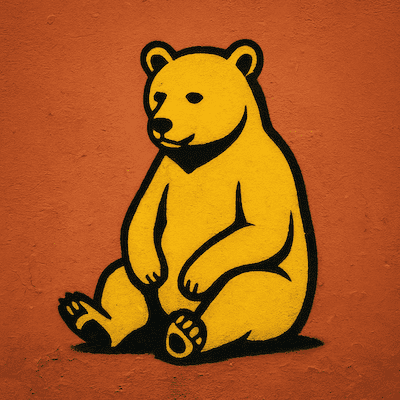
Street Art in Berlin
 Learn GermanFree app with audio, quizzes and real books
Key words
- Straßenkunststreet art
- künstlerischartistic
- kreativcreative
- Geschichtehistory
- Politikpolitics
- Ausdruckexpression
- kulturellcultural
- Vielfaltdiversity
- Mauerwall
- Graffitigraffiti
- Wandwall (interior/exterior)
- Freiheitfreedom
All 27 words
- gesellschaftlichsocial
- Künstlerartist
- Urbanitäturbanity
- Installationinstallation (art)
- Festivalfestival
- Touristtourist
- Einheimischelocals
- offiziellofficial
- Subkultursubculture
- Laborlaboratory
- kollaborativcollaborative
- Experimentexperiment
- identitätidentity
- Energieenergy
- künstlerischartistic
Kaum eine Stadt in Europa ist so bunt bemalt wie Berlin. Graffiti, große Wandbilder und kleine Aufkleber findet man an Hauswänden, Brücken, Stromkästen und sogar auf Dächern.
Few cities in Europe are as colourfully painted as Berlin. You find graffiti, large murals and small stickers on house walls, bridges, electrical boxes and even on rooftops.
Viele dieser Bilder erzählen von der Geschichte der Stadt: von der Teilung, vom Mauerfall und von den wilden Jahren danach.
Many of these pictures tell the story of the city: its division, the fall of the Wall and the wild years that followed.
Wie alles begann
How it all began
Schon in den 1980er Jahren bemalten Künstler die Westseite der Berliner Mauer. Der Franzose Thierry Noir fing 1984 damit an, und 1986 malte der New Yorker Keith Haring dort ein langes Bild. Auf der Ostseite war das unmöglich, denn dort lag der streng bewachte Grenzstreifen.
Artists were already painting the western side of the Berlin Wall in the 1980s. The Frenchman Thierry Noir started in 1984, and in 1986 the New Yorker Keith Haring painted a long mural there. On the eastern side this was impossible, because that was where the closely guarded border strip lay.
Nach dem Mauerfall 1989 gab es plötzlich Platz ohne Ende. In Mitte und Friedrichshain standen viele Häuser leer, junge Leute zogen ein, gründeten Clubs und Ateliers und bemalten die Wände. Das Kunsthaus Tacheles in der Oranienburger Straße wurde zum Treffpunkt für Künstler aus aller Welt.
After the Wall fell in 1989, there was suddenly endless space. In Mitte and Friedrichshain many buildings stood empty; young people moved in, opened clubs and studios and painted the walls. The Tacheles art house on Oranienburger Straße became a meeting place for artists from all over the world.
In den 1990er Jahren kamen neue Techniken dazu: Neben gesprühten Schriftzügen sah man bald große Wandbilder, Schablonen, Paste-ups aus Papier und kleine Installationen. Was in anderen Städten schnell entfernt wurde, blieb in Berlin oft jahrelang stehen. So wurde die Stadt in der Szene weltweit bekannt.
New techniques arrived in the 1990s: alongside spray-painted lettering you soon saw large murals, stencils, paper paste-ups and small installations. What was quickly removed in other cities often stayed up for years in Berlin. That is how the city became famous in the scene worldwide.
Stile und Themen
Styles and themes
Berliner Street Art hat viele Gesichter. Manche Bilder sind politisch, andere witzig oder rätselhaft. Immer wieder geht es um Freiheit, um Migration, um steigende Mieten und um die Frage, wem die Stadt eigentlich gehört.
Berlin street art has many faces. Some pictures are political, others funny or puzzling. Again and again they deal with freedom, migration, rising rents and the question of who the city actually belongs to.
Der Italiener Blu malte riesige Figuren an Brandwände in Kreuzberg. Der Belgier ROA ist für seine schwarz-weißen Tiere bekannt, und der Berliner 1010 malt Löcher, die so echt wirken, als führten sie tief in die Wand hinein.
The Italian artist Blu painted huge figures on the bare side walls of buildings in Kreuzberg. The Belgian ROA is known for his black-and-white animals, and the Berliner 1010 paints holes that look so real you'd think they led deep into the wall.
Am bekanntesten ist die East Side Gallery in Friedrichshain. Auf rund 1,3 Kilometern der alten Mauer an der Spree malten 1990 über hundert Künstler aus 21 Ländern ihre Bilder. Das berühmteste zeigt den Bruderkuss von Leonid Breschnew und Erich Honecker, gemalt von Dmitri Vrubel.
The best-known place is the East Side Gallery in Friedrichshain. In 1990, more than a hundred artists from 21 countries painted their pictures on about 1.3 kilometres of the old Wall along the Spree. The most famous one shows the fraternal kiss between Leonid Brezhnev and Erich Honecker, painted by Dmitri Vrubel.
Einfluss auf die Stadt
Influence on the city
Heute gehört Street Art zu Berlin wie das Brandenburger Tor. Es gibt Führungen durch Kreuzberg und Friedrichshain, und Künstler aus vielen Ländern kommen in die Stadt, um hier zu malen und voneinander zu lernen.
Today street art is as much a part of Berlin as the Brandenburg Gate. There are guided tours through Kreuzberg and Friedrichshain, and artists from many countries come to the city to paint here and learn from one another.
Auch Mode, Werbung und Musik haben sich von der Szene anstecken lassen. Viele Plattencover, Clubplakate und Modekollektionen greifen den Stil der Straße auf.
Fashion, advertising and music have caught the bug from the scene too. Many record covers, club posters and fashion collections borrow the style of the street.
Inzwischen fördert auch die Stadt die Straßenkunst. Es gibt legale Wände, zum Beispiel im Mauerpark, dazu Festivals und seit 2017 sogar ein eigenes Museum: das Urban Nation in Schöneberg. Trotzdem lebt die Szene vor allem von Bildern, die ohne Erlaubnis über Nacht entstehen.
By now the city itself supports street art too. There are legal walls, for example in Mauerpark, as well as festivals and, since 2017, even a museum of its own: Urban Nation in Schöneberg. Even so, the scene still lives mainly on pictures that appear overnight without permission.
Fazit
Conclusion
Street Art in Berlin ist mehr als Dekoration. An den Wänden kann man ablesen, was die Stadt in den letzten vierzig Jahren bewegt hat, von der Teilung bis zum Streit um bezahlbare Wohnungen.
Street art in Berlin is more than decoration. The walls show what has moved the city over the last forty years, from its division to the fight over affordable housing.
Viele Bilder verschwinden nach einigen Monaten wieder, weil jemand sie übermalt oder das Haus abgerissen wird. Wer zwei Jahre später an dieselbe Wand kommt, sieht deshalb oft schon etwas ganz anderes.
Many pictures disappear again after a few months, because someone paints over them or the building is torn down. So if you come back to the same wall two years later, you often see something completely different.
In the free app you can listen to this text read aloud and tap any word to see what it means.